When summer settles over the GTA, the warm, dry shelter beneath your shingles becomes prime real estate for squirrels, raccoons, wasps and birds. Pest roof damage is one of the most underestimated threats to Toronto-area homes, and it accelerates fastest in the breeding months between May and September. By the time most homeowners in Mississauga, Vaughan or Markham notice scratching in the attic or a nest tucked under the eaves, animals have often already torn through flashing, chewed soffit vents, lifted shingles and soaked the roof deck with urine and droppings. What starts as a single gnawed corner can turn into a multi-thousand-dollar deck replacement within a single season.
This guide explains exactly how wildlife and insects compromise a GTA roof in 2026, what the repairs actually cost this year, which entry points matter most, and how to tell the difference between cosmetic nuisance and structural emergency. As a Toronto roofing contractor, we see the full lifecycle of these problems every summer, and the patterns are remarkably consistent across the region.
How Pest Roof Damage Starts on a GTA Home
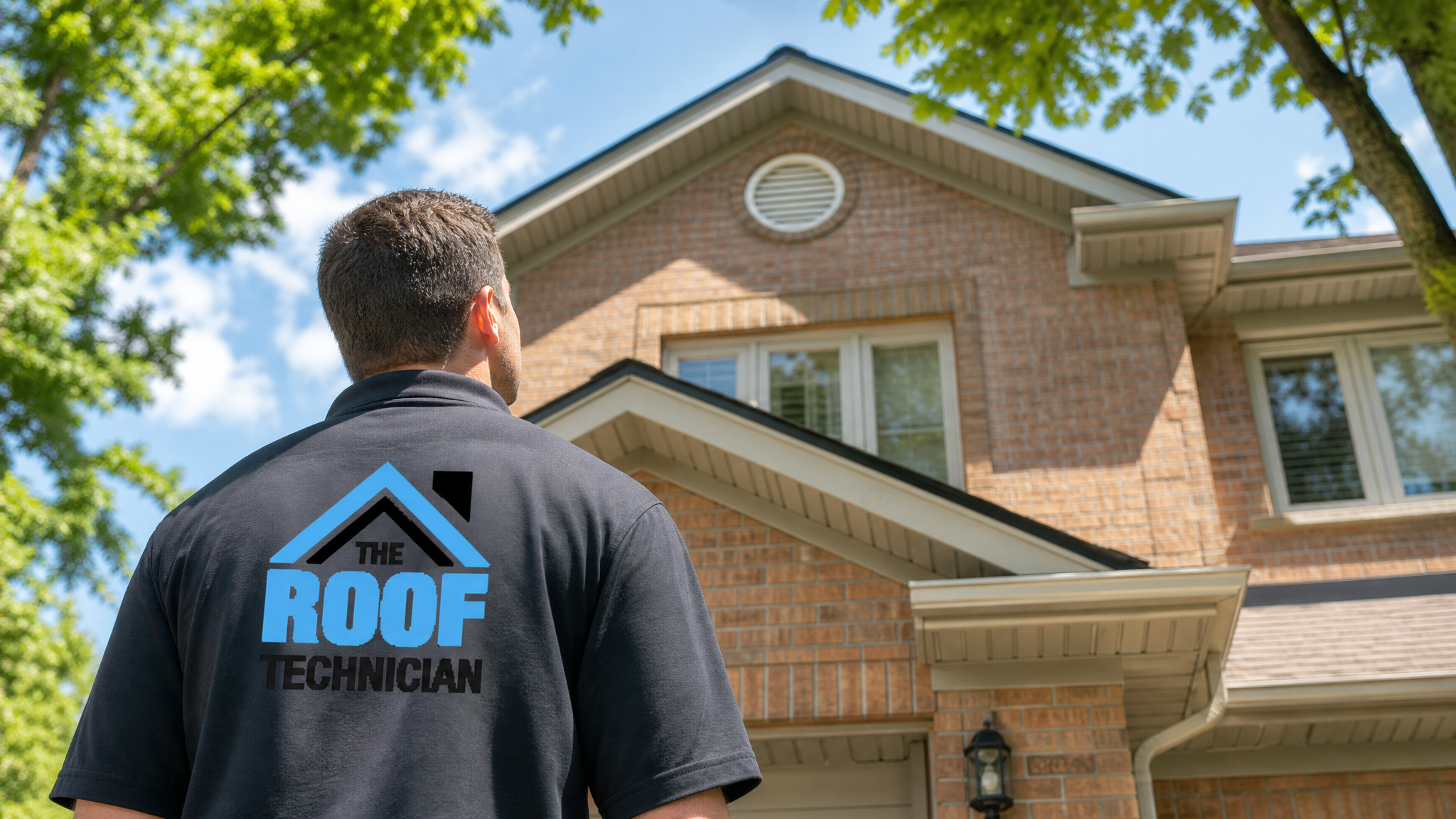
Pest roof damage almost always begins at the edges, not the field of the roof. The soffit, fascia, drip edge, roof-to-wall junctions and any existing gap from age or storm wear are the first targets. Animals are opportunists: they probe a weak seam, find soft or rotted wood, and exploit it. A roof that already has minor issues, such as curling shingles, a failed vent boot or a sagging soffit panel, is far more attractive to wildlife than a sound, well-maintained one.
Summer intensifies the pressure. Female raccoons and squirrels seek dry, protected den sites to raise litters born in late spring and again in late summer. Wasps and hornets build nests in sheltered cavities under eaves and inside attic gable vents. Birds, especially starlings and house sparrows, push into ridge vents and open soffit boxes to nest. Each species causes a distinct type of damage, but they share one thing in common: they all need an opening of roughly four centimetres or more, and they will enlarge a smaller one.
The most common access points we document across Toronto, Mississauga and Vaughan are the roof edge transitions where two planes or materials meet. Builder-grade aluminum soffit, plastic vent louvres and older wood fascia simply do not stand up to determined teeth and claws. Once an animal is inside, the interior damage often costs more to remediate than the entry hole itself.
| Pest | Primary entry point | Typical damage caused | Peak summer activity |
|---|---|---|---|
| Grey squirrels | Soffit corners, gable vents, fascia gaps | Chewed wood, shredded insulation, gnawed wiring | June to September |
| Raccoons | Soffit panels, roof-wall junctions, vents | Torn shingles, crushed soffit, deck contamination | May to August |
| Wasps and hornets | Eaves, gable vents, attic cavities | Nests in vents, blocked airflow, stings on entry | July to September |
| Starlings and sparrows | Ridge vents, soffit boxes, exhaust hoods | Nest debris, blocked vents, mite infestations | May to July |
Squirrels: Small Animal, Serious Structural Threat
Grey squirrels are the most persistent roof invaders in the GTA, and their incisors never stop growing, which means they chew constantly to wear them down. A squirrel can open a fist-sized hole through aluminum soffit or soft fascia in a single afternoon. Once inside the attic, they gnaw structural members, shred fibreglass and cellulose insulation for nesting, and most dangerously, strip the casing off electrical wiring. Chewed wiring in an attic is a documented fire risk, and GTA insurers increasingly ask about wildlife history when assessing roof claims.
Squirrels also favour roof returns and the dead valleys created by dormers and additions, areas where water already tends to pool. When they lift shingles or open a vent boot in these spots, they create a direct path for summer thunderstorm water to enter the roof deck. We frequently find rotted sheathing beneath squirrel entry points that has been quietly absorbing water for an entire season. Addressing the wildlife without addressing the resulting moisture damage leaves the real problem in place, which is why a proper roof repair in Toronto includes inspecting the deck, not just sealing the hole.
| Squirrel damage type | What it affects | 2026 GTA repair range |
|---|---|---|
| Soffit and fascia entry hole | Edge trim, blocking | $350 to $900 per opening |
| Attic insulation replacement | Blown-in insulation, vapour barrier | $1,800 to $4,500 |
| Chewed electrical wiring | Attic circuits, junctions | $600 to $2,200 (licensed electrician) |
| Rotted roof deck section | Sheathing, underlayment, shingles | $1,200 to $3,800 |
Raccoons: The Most Destructive Roof Pest in Toronto
Pound for pound, raccoons cause the most expensive pest roof damage of any GTA wildlife. An adult female weighing eight to ten kilograms can physically tear apart a soffit panel, peel back a roof vent, or pry up a section of shingles to reach the warm attic space beneath. They are strong, intelligent and protected under Ontario wildlife regulations during denning season, which complicates removal. A mother raccoon with kits cannot simply be trapped and relocated without regard for the dependent young, so timing and humane handling matter.
The damage signature is unmistakable: a deliberately ripped-open entry point, often at a roof-to-wall junction or a plumbing stack, surrounded by claw marks and matted fur. Inside, raccoons flatten insulation into latrine areas, and their urine saturates the vapour barrier and roof deck. This contamination is a health concern and a structural one, since prolonged moisture rots sheathing and can promote mould on the underside of the roof. Where the entry has compromised a large area of the roof plane, a localized patch is not enough, and a full roof replacement may be the more economical long-term solution.
Wasps, Hornets and Birds: The Overlooked Roof Pests
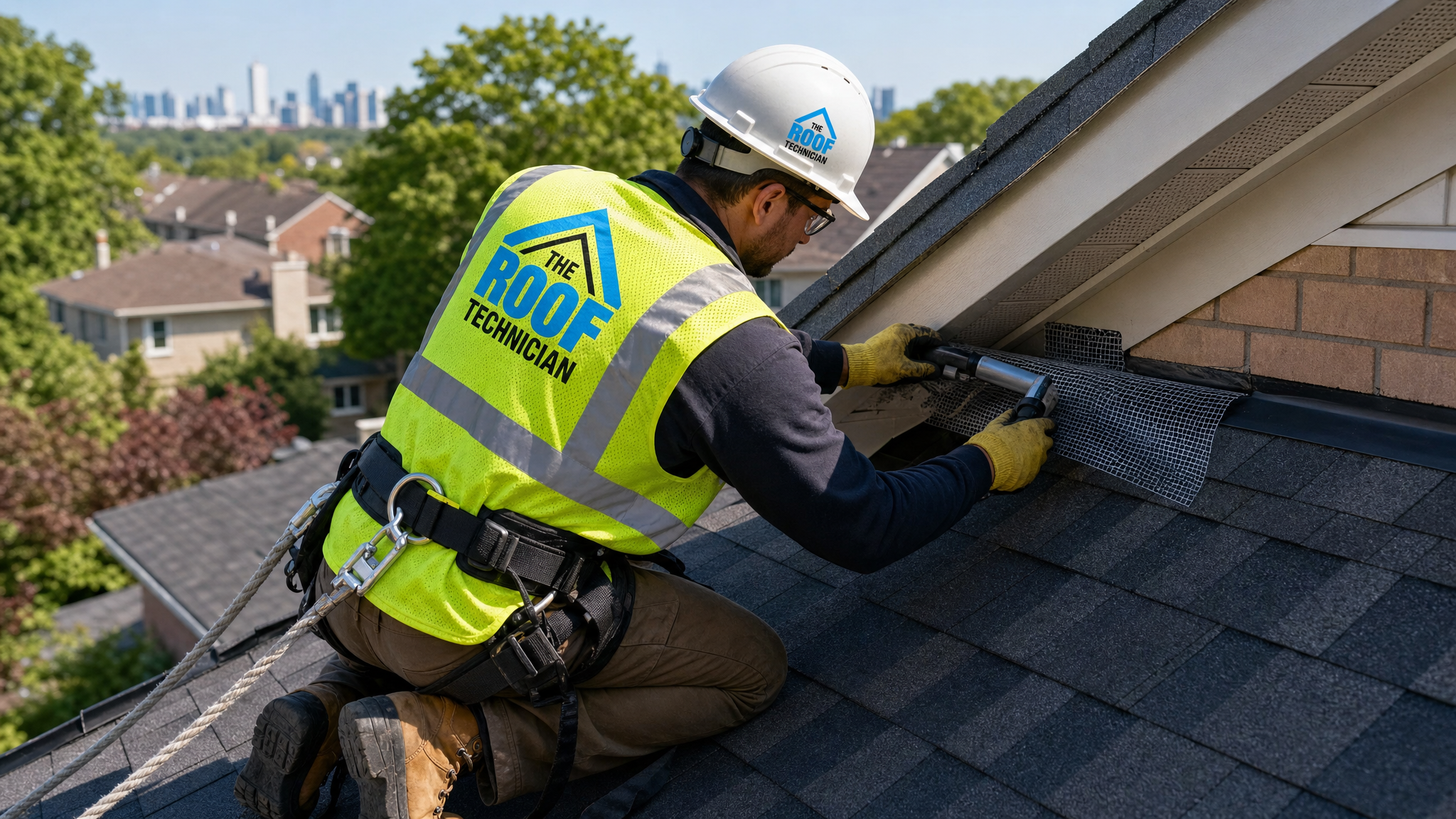
While squirrels and raccoons grab attention, insects and birds quietly degrade GTA roofs all summer. Wasps and hornets love the sheltered cavities of an attic accessed through a gable vent or a gap in the eaves. A nest itself does not destroy shingles, but it blocks ventilation, makes the attic dangerous to enter for any roof work, and signals an open entry point that water and other pests will also use. Bald-faced hornet nests under wide eaves are common across Markham and Vaughan from July onward.
Birds are subtler but persistent. Starlings and house sparrows wedge nesting material into ridge vents, soffit boxes and bathroom exhaust hoods, blocking the airflow your roof relies on to stay cool and dry. Blocked exhaust traps humid air in the attic, which in summer drives attic temperatures and moisture upward, shortening shingle life and inviting condensation. Bird nests also harbour mites and create acidic droppings that corrode metal flashing over time. Proper, screened venting is the long-term answer, and our attic ventilation work specifically addresses how to keep airflow open while keeping wildlife out.
| Issue | Roof system affected | Summer consequence | 2026 service cost |
|---|---|---|---|
| Wasp nest in gable vent | Attic ventilation | Blocked airflow, unsafe access | $250 to $600 removal plus screening |
| Bird nest in ridge vent | Ridge ventilation | Trapped heat and moisture | $300 to $700 clear and screen |
| Blocked exhaust hood | Bath or kitchen vent | Attic condensation, odour | $200 to $450 |
| Droppings on flashing | Metal flashing, valleys | Corrosion, accelerated rust | $400 to $1,100 reflashing |
Signs of Pest Roof Damage You Can Spot From the Ground
Most homeowners catch wildlife problems too late because they are looking in the wrong place. You rarely need to climb a ladder to find the warning signs. From the ground or a second-storey window, scan the roof edge and listen at night during the quiet summer evenings. Early detection is the single biggest factor in keeping a repair affordable rather than letting it grow into a deck or insulation job.
Watch for these indicators around your GTA home:
- Scratching or scurrying sounds in the attic or ceiling, especially at dawn and dusk.
- Visible holes or torn panels at soffit corners, gable vents or the fascia line.
- Loose, lifted or missing shingles near the roof edge or around vents and stacks.
- Greasy rub marks or claw scratches on downspouts, fascia or near the eaves.
- Wasp traffic repeatedly entering the same point under the eaves or a vent.
- Nesting debris, droppings or staining below soffit vents or exhaust hoods.
If you spot any of these, the priority is a professional inspection before the next heavy summer storm. Wildlife entry points are also water entry points, and a small opening can deliver gallons of water to your roof deck during a single GTA downpour. You can review what other homeowners across the region have experienced on our reviews page, where roof-edge and wildlife repairs come up regularly.
The Right Way to Repair and Prevent Pest Roof Damage
Effective remediation of pest roof damage follows a clear sequence, and skipping steps is why so many DIY and quick-patch fixes fail within months. The first rule is humane, complete removal before sealing anything. Sealing an entry point with an animal still inside traps it, leading to worse damage as it claws to escape, and in the case of a mother with young, a serious welfare and odour problem. Confirmation that all animals are out comes first, often using one-way exclusion devices.
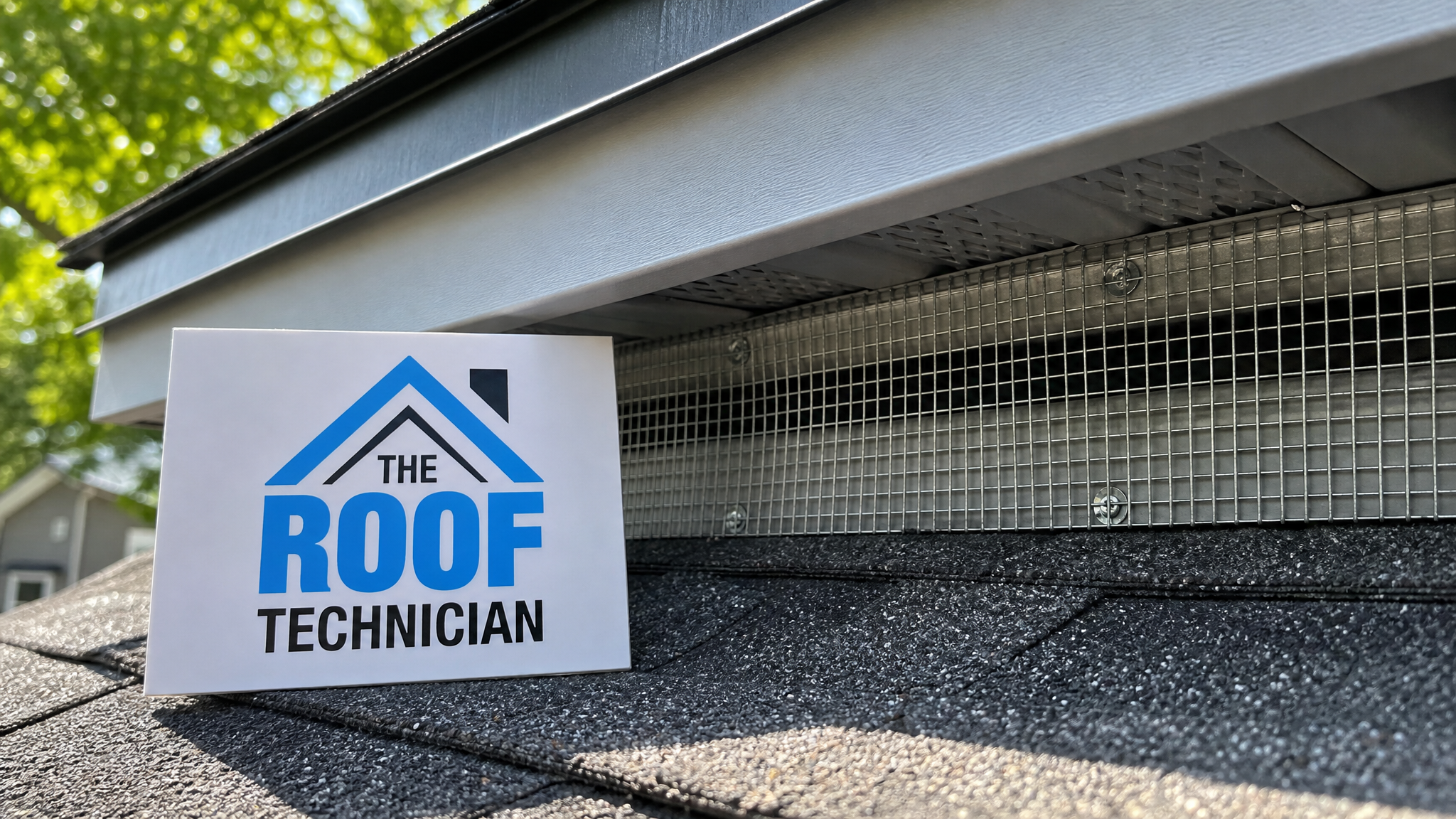
Once the structure is clear, the actual roofing work begins: rebuilding damaged soffit and fascia with reinforced material, installing galvanized steel mesh behind vulnerable vents and edges, replacing any rotted decking, and re-shingling or reflashing the affected area to restore a watertight seal. Heavy-gauge metal flashing and steel mesh are critical because animals will defeat plastic, foam and lightweight aluminum. For homes with low-slope sections where animals den under rooftop equipment, our flat roofing team handles the specific detailing those areas require.
Prevention is far cheaper than repeated repair. A summer roof inspection that closes gaps before breeding season, combined with screened venting and well-maintained edges, keeps wildlife out for years. The same inspection catches the early shingle and flashing wear that makes a roof attractive to pests in the first place, which is why we treat wildlife-proofing and roof maintenance as a single job rather than two.
| Prevention measure | What it stops | Material | 2026 installed cost |
|---|---|---|---|
| Soffit and edge mesh screening | Squirrels, raccoons, birds | Galvanized steel mesh | $600 to $1,800 per home |
| Reinforced soffit and fascia | Raccoon tearing | Heavy-gauge aluminum, wood | $900 to $2,800 |
| Screened ridge and gable vents | Birds, wasps | Stainless or galvanized mesh | $350 to $900 |
| Annual summer roof inspection | All early-stage damage | Labour and report | $0 to $250 (often free) |
When Pest Damage Means Repair Versus Full Replacement
The decision between a targeted repair and a full roof replacement depends on how far the damage has spread and the underlying age of the roof. A single squirrel hole in an otherwise sound, ten-year-old roof is a straightforward repair. But when raccoons have opened multiple entry points, contaminated a large attic area, and the underlying shingles are already near the end of their service life, investing in patch repairs is often throwing money at a roof that needs to be replaced anyway.
We use a simple framework with GTA homeowners. If the damage is localized, the deck is dry and sound, and the roof has meaningful life remaining, repair is the clear choice. If the entry points are numerous, the deck shows rot or contamination across multiple sheets, or the roof is fifteen-plus years old with widespread wear, replacement delivers better value and resets the wildlife-resistance of the whole system. An honest inspection is what separates the two, and serving homeowners across Mississauga, Vaughan and Markham, we provide that assessment before recommending any scope of work.
How serious is pest roof damage if I leave it alone?
Why are squirrels and raccoons worse in summer?
Can I just seal the hole myself to stop pest roof damage?
What does pest roof repair cost in the GTA in 2026?
How do I know if I need a repair or a full roof replacement?
How can I prevent pests from getting under my shingles?
Stop Pest Roof Damage Before It Spreads This Summer
Do not wait for the next storm to turn a small wildlife hole into a soaked, rotting roof deck. The Roof Technician inspects, repairs and wildlife-proofs roofs across the GTA, sealing entry points with materials animals cannot defeat and restoring a watertight, well-ventilated roof. Our team identifies the early signs of pest roof damage that most homeowners miss and fixes both the entry point and the hidden moisture damage behind it.
Call us today at (416) 826-0040 or schedule a free roof inspection to protect your home before the summer pest season peaks. You can also explore our service areas and frequently asked questions to learn more.
The Roof Technician proudly serves homeowners in Toronto, Mississauga, Vaughan, Markham and across the Greater Toronto Area with expert roof repair, replacement and wildlife-proofing.