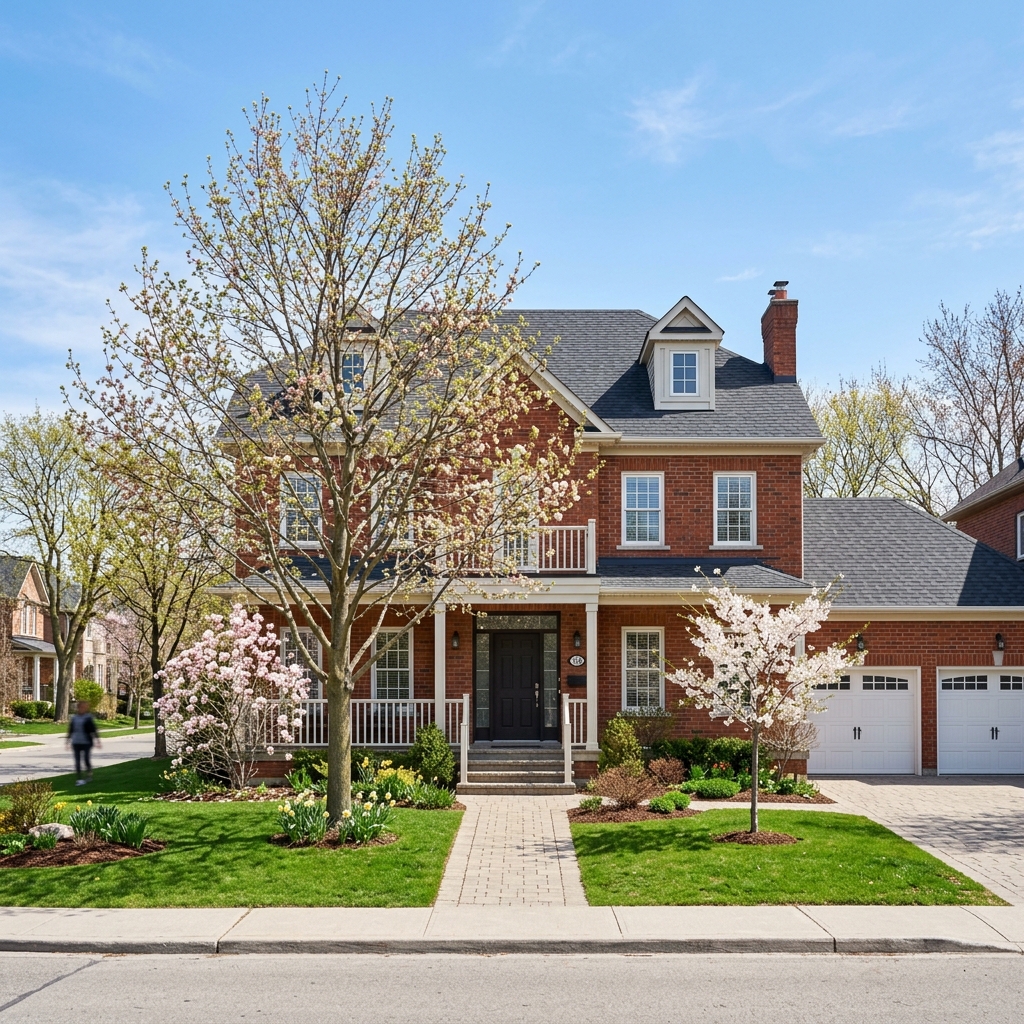
When a massive, multi-day January blizzard completely buries the Greater Toronto Area, transforming the urban landscape into a pristine, white expanse, homeowners frequently marvel at the aesthetic beauty. However, beneath that soft, picturesque blanket of snow lies a terrifying, crushing mathematical reality. Snow is exceptionally heavy, and when rain mixes into a deep snowpack, the resulting glacial mass exerts immense, violent kinetic pressure directly downward onto the architectural skeleton of your home. A standard Toronto roof can easily be forced to bear the equivalent weight of three full-sized pickup trucks parked directly on the shingles. While modern structures are rigorously engineered to handle this stress, older bungalows, massive flat roofs, and poorly renovated additions frequently teeter on the absolute edge of catastrophic structural failure. The Roof Technician is the premier emergency responder for critical winter roof triage. This exhaustive 2026 engineering guide dissects the immense dangers of a heavy snow load roof Toronto homes endure, detailing exactly when massive accumulation mandates an emergency professional intervention, and exposing the deadly risks of amateur roof shoveling.
The Brutal Mathematics of Snow Weight
To understand the threat, you must comprehend the massive variance in the physical density of winter precipitation. Not all snow is created equal, and calculating the exact dead weight pressing down on your wooden rafters is a complex engineering formula.
The Powder Snow Illusion: A foot (12 inches) of dry, fluffy, extremely cold powder snow is relatively light. It weighs approximately 3 to 5 pounds per square foot. Most Toronto roofs, even older models, can effortlessly support 3 feet of dry powder without showing any signs of structural distress.
The Wet Snow Nightmare: The catastrophic danger occurs when the temperature hovers around the freezing mark (0°C). The snow becomes incredibly dense, packed, and saturated with liquid water. A single foot of heavy, wet snow can easily weigh 12 to 21 pounds per square foot. If a winter rainstorm falls directly onto a foot of existing snow, the snowpack acts like a massive sponge, absorbing the rain and instantly skyrocketing the load to over 30 pounds per square foot.
Solid Ice Accumulation: Solid ice is the ultimate structural destroyer. A mere one-inch sheet of solid ice weighs a staggering 5 pounds per square foot. If an aggressive ice dam forms at the eaves, building a 12-inch thick solid wall of ice, it exerts a hyper-concentrated, crushing load on the weakest architectural point of the roof overhang, frequently causing the massive wooden fascia board to violently snap and collapse into the driveway.
| Type of Winter Precipitation | Estimated Weight (Per Square Foot) | Structural Threat Level |
|---|---|---|
| 12 Inches of Dry, Cold Powder Snow | 3.0 lbs – 5.0 lbs | Very Low (Easily sheds off steep pitches). |
| 12 Inches of Heavy, Wet, Saturated Snow | 12.0 lbs – 21.0 lbs | Moderate to High (Requires close monitoring). |
| 1 Inch of Solid Glacial Ice (Ice Storm) | 4.7 lbs – 5.2 lbs | Severe (Violently damages shingles and gutters). |
| 12-Inch Thick Solid Ice Dam at the Eaves | 50.0 lbs+ (Highly concentrated load) | Critical (High risk of localized overhang collapse). |
| Rain Absorbed into 24 Inches of Old Snow | 30.0 lbs – 40.0 lbs+ | Terminal. Immediate professional extraction required. |
The Red Flags of Imminent Structural Collapse
A roof does not collapse silently or instantly. The massive wooden truss system will groan, flex, and visually telegraph its distress long before the plywood deck violently fails. You must aggressively monitor the interior of your home during a severe, prolonged winter snow event.
- Severe Interior Drywall Cracking: The most immediate indicator of extreme kinetic stress. If you suddenly observe massive, jagged horizontal or diagonal cracks shooting across your upper-floor ceilings or violently tearing the drywall tape at the corners where the walls meet the ceiling, the roof rafters are actively sagging inward under the crushing weight.
- Doors and Windows Refusing to Open: As the massive weight of the snow crushes the roof downward, it violently compresses the load-bearing vertical walls of the house. This immense pressure warps the perfectly square wooden frames surrounding your interior doors and windows. If an interior bedroom door that functioned perfectly yesterday suddenly jams tight against the frame, the structure is actively shifting under a critical load.
- Loud, Gunshot-Like Popping Noises: A house naturally settles and creaks. However, if you hear massive, incredibly loud popping, cracking, or splintering noises echoing violently from the dark attic space, the massive wooden roof rafters are beginning to physically snap under the dead weight. This dictates an immediate, emergency evacuation of the upper floor.
The Flat Roof: The Ultimate Winter Liability
While traditional steep-sloped asphalt roofs rely on gravity to naturally shed powder snow into the yard, a flat roof possesses zero aerodynamic advantage. It is essentially a massive, horizontal catch-basin that is forced to bear 100% of the accumulated snowfall indefinitely.
If your Toronto property features a sprawling flat roof (highly common on modern custom homes, commercial buildings, and older residential additions), you are at extreme risk during a heavy precipitation event. Modern flat roofs built to the strict 2026 Ontario Building Code are heavily over-engineered with massive, tightly spaced structural joists designed to hold extreme statistical loads. However, if the internal roof drains become slightly clogged with frozen oak leaves in November, the melting snow has zero escape route. The flat roof becomes a massive, swimming-pool-sized block of solid ice, creating unimaginable hydrostatic and kinetic pressure that will eventually crush the ceiling joists inward.
| Architectural Roof Style | Snow Shedding Efficiency | Risk of Collapse from Heavy Load | Monitoring Frequency Required |
|---|---|---|---|
| Steep Pitch (e.g., 8:12 to 12:12) | Excellent. Gravity naturally pulls dry snow off rapidly. | Low. The aggressive angle deflects the heavy vertical weight. | Only after massive, multi-day blizzards or severe ice storms. |
| Low Slope (e.g., 3:12 to 4:12) | Poor. Snow “sticks” and aggressively accumulates in deep layers. | Moderate. High risk of immense ice dam formation at the eaves. | Weekly during January and February deep-freezes. |
| True Flat Roof (Commercial/Modern) | Zero. Forced to hold 100% of precipitation indefinitely. | High. Extreme danger if internal drains freeze or clog. | Immediately following any major snowfall exceeding 15 inches. |
| Standing Seam Metal Roof | Superior. Snow triggers an immediate, massive avalanche off the slick metal. | Very Low. The sheer lack of friction prevents heavy accumulation. | N/A (Ensure high-quality snow guards are installed). |
The Lethal Danger of Amateur Roof Shoveling
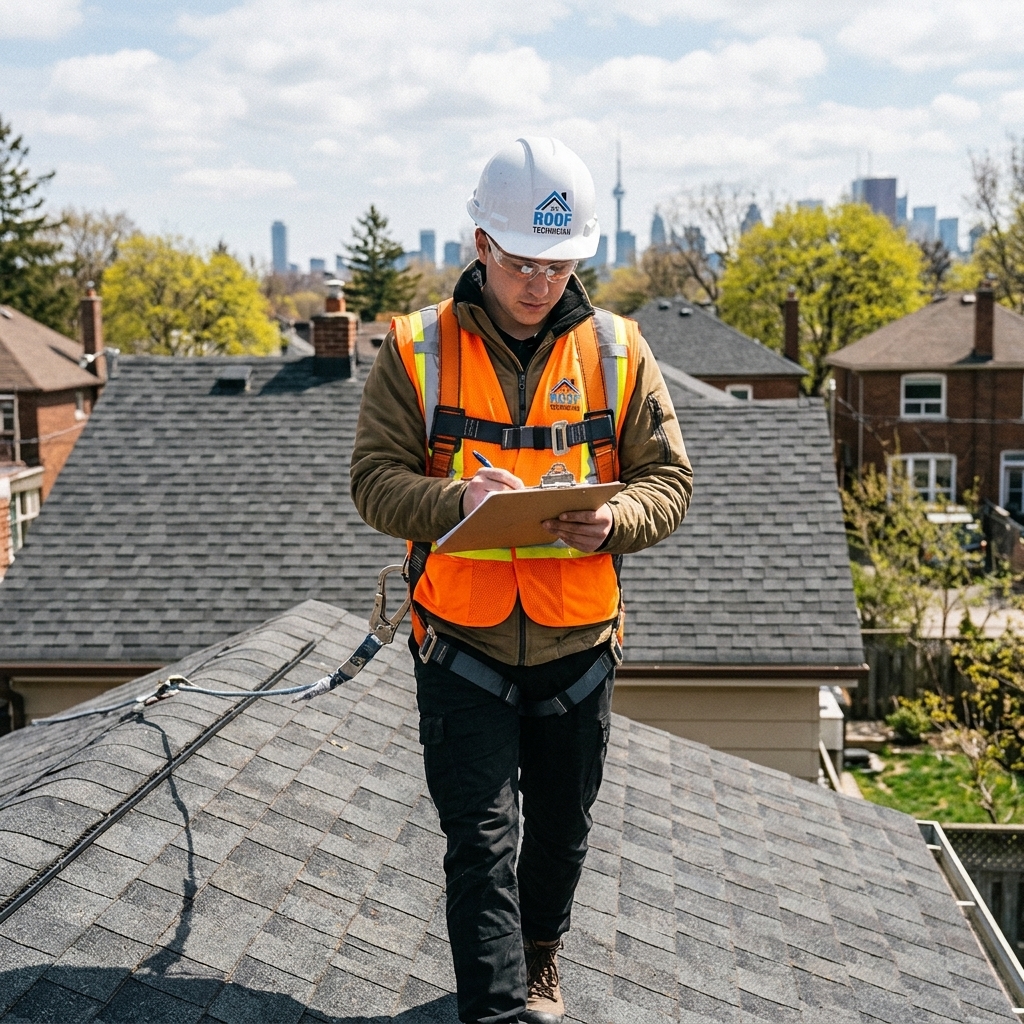
When panic sets in, homeowners frequently attempt to mitigate the disaster themselves by dragging an aluminum driveway shovel up a 24-foot extension ladder. This is the single most dangerous, destructive, and financially catastrophic decision a homeowner can make.
1. The Lethal Fall Hazard
A pitched roof coated in solid ice and 2 feet of snow is a frictionless, deadly slide. Attempting to balance on a ladder or walk on the roof without certified Working At Heights (WAH) fall-arrest harnesses is an invitation to a fatal, 25-foot fall onto frozen concrete.
2. Instant Shingle Destruction
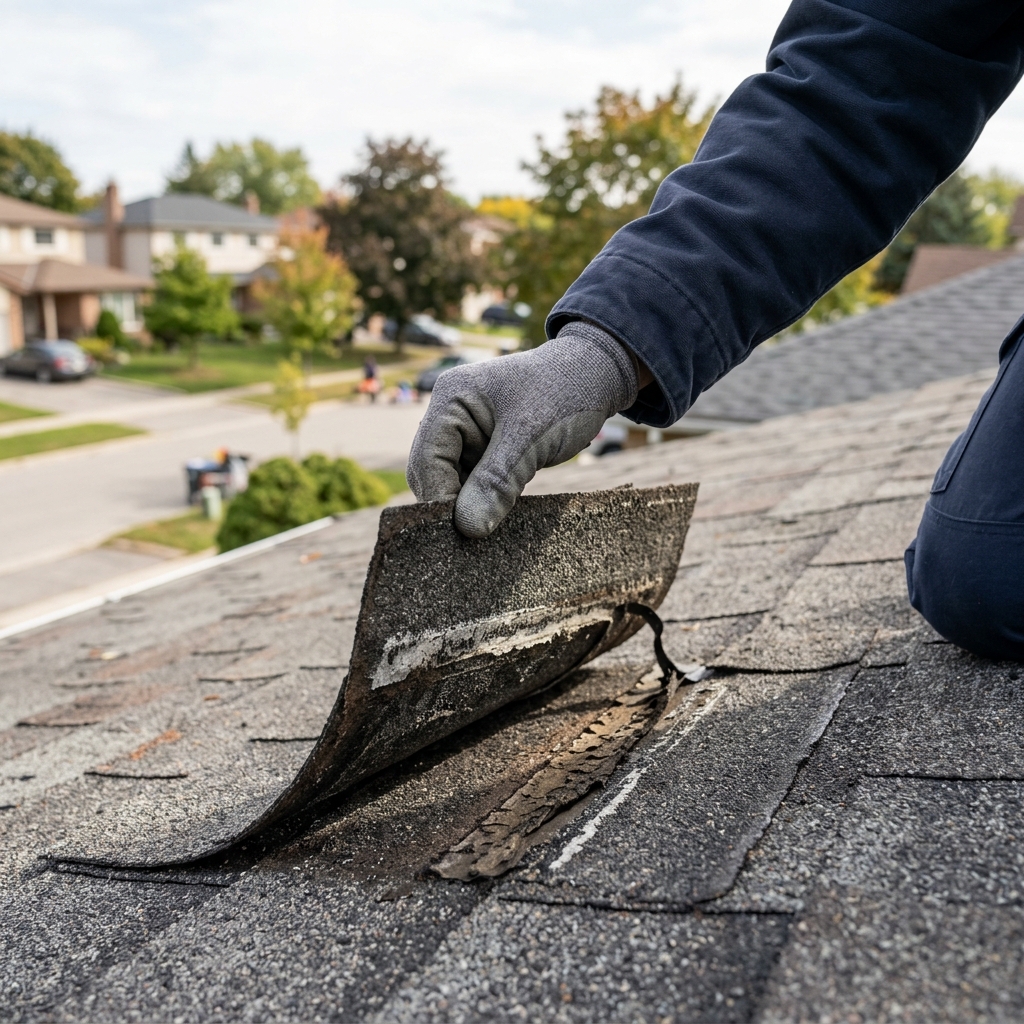
In -15°C temperatures, architectural asphalt shingles are as brittle as thin glass. If you strike the frozen shingles with the hard, sharp metal blade of a standard driveway shovel or a heavy ice chipper, you will violently shatter the fiberglass core of the shingle. The roof may look clear of snow, but you have instantly destroyed the waterproofing membrane, completely voided the 50-year manufacturer’s warranty, and guaranteed massive leaks the second the spring thaw begins. This massive human error is absolutely never covered by the roof warranty.
The Professional Extraction Protocol
When the structural load hits a critical threshold, you require an elite, highly specialized tactical extraction. The Roof Technician deploys specialized winter response units trained to execute precision snow removal without damaging the delicate architectural envelope.
Professional crews NEVER use metal shovels. They utilize highly specialized, soft-edged plastic snow rakes to carefully pull the top layers of heavy snow off the roof, deliberately leaving a thin, 2-inch base layer of snow directly on the shingles to guarantee the extraction tool never physically contacts the delicate asphalt. Furthermore, if the massive load is caused by a solid ice dam violently backing water up the roof, professionals deploy advanced, low-pressure, high-temperature steam machines to slice harmlessly through the solid ice block, melting it completely without inflicting a single microscopic scratch on the roof decking.
| Snow Removal Method | The Mechanism of Action | Impact on Roof Integrity |
|---|---|---|
| Metal Driveway Shovel / Ice Pick | Violent kinetic impact against frozen, highly brittle asphalt. | Catastrophic. Shatters shingles instantly; voids all legal warranties. |
| Rock Salt (Sodium Chloride) | Aggressive chemical melting process. | Highly Destructive. Corrodes metal flashing, rusts nails, bleaches shingle color. |
| Professional Plastic Snow Rake | Gentle, downward pulling action leaving a safe 2-inch snow buffer. | Safe. Protects the ceramic shingle granules from mechanical abrasion. |
| Professional Steam Eradication | Low-pressure steam slices precisely through solid ice dams. | Elite standard. Melts ice flawlessly with zero physical damage to the roof. |
Preventative Engineering: Stop the Load Before It Builds
While you cannot control a massive Toronto blizzard, you can absolutely engineer your home to resist the accumulation of destructive ice dams, which are the primary catalyst for concentrated, massive roof loads.
The permanent architectural solution requires addressing the thermal failure inside your attic. If your attic lacks massive, R-60 cellulose insulation and flawless, mathematically balanced intake and exhaust ventilation, expensive heat escapes your living room. This heat melts the snow resting on the roof. The meltwater runs down, hits the freezing eaves, and forms a massive, incredibly heavy wall of solid ice. By heavily sealing all interior heat leaks and blowing in modern insulation, the roof deck remains freezing cold all winter. A cold roof cannot melt snow; therefore, a cold roof cannot generate a massive, crushing ice dam.
How exactly do I mathematically know when the snow on my roof is too heavy and requires emergency removal?
Can I safely use a heavy metal snow shovel to quickly chip the thick ice away from my shingles?
Are massive flat roofs significantly more dangerous during a massive Toronto winter blizzard?
What is the absolute safest, most professional method to completely remove a massive ice dam?
If my roof completely collapses under extreme snow, does my standard home insurance cover the massive damage?
How do I permanently stop massive, heavy ice dams from forming on the edge of my roof every single winter?
Secure Your Home with Emergency Snow Triage
Do not wait until the massive wooden rafters above your bedroom begin to crack and splinter under crushing, lethal weight. Immediate, professional extraction using precision tools is the only way to protect your structural envelope from a catastrophic collapse.
Call us immediately at (416) 826-0040 or request an emergency snow diagnostic to deploy our highly trained winter response team.
The Roof Technician has been the elite emergency responder for massive winter storms and complex residential roof triage across Toronto, Ajax, Pickering, and the entire GTA for decades. From precision steam ice removal to massive structural roof replacements, our WSIB-insured master technicians deliver uncompromising safety and architectural durability.