If your Toronto home has a sloped roof with more than one plane, it has valleys, and those valleys are the single most leak-prone area on the entire structure. A reliable roof valley repair protects the channels where two roof slopes meet and funnel rainwater toward your eavestroughs. Across the GTA, from century homes in Leaside to newer builds in Vaughan and Markham, valleys carry more water volume than any other part of the roof, which means a small defect there causes outsized interior damage. This guide explains the difference between open and closed valleys, the most common leak causes our crews see, the 2026 repair and replacement costs across Toronto, Mississauga, Vaughan and Markham, and how to decide whether a patch or a full valley rebuild is the smarter investment.
What a Roof Valley Is and Why Roof Valley Repair Matters
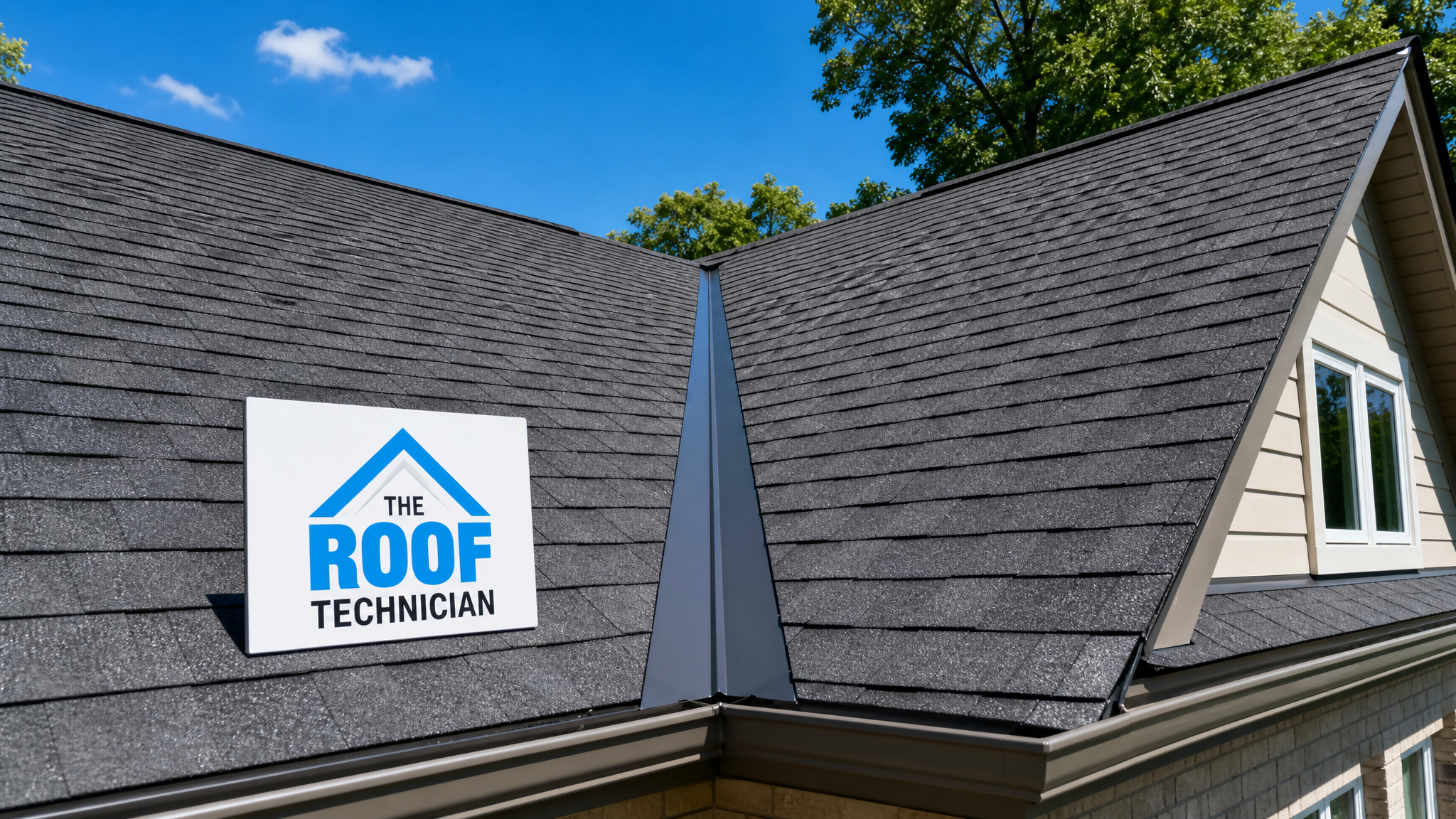
A valley is the internal angle formed where two downward-sloping roof planes meet. Picture an L-shaped or T-shaped house: wherever the rooflines intersect, water from both planes is forced into one narrow channel. That concentration of flow is exactly why a roof valley repair is so important. A field shingle on an open slope sheds maybe a few litres of water during a summer thunderstorm, but a valley on the same roof can carry the runoff from hundreds of square feet, sometimes thousands of litres during an intense GTA downpour.
Because of this volume, valleys are built with extra waterproofing: an underlayment membrane, a metal or woven shingle channel, and carefully cut shingle edges. When any layer fails, water does not just drip, it pushes sideways under shingles and travels along the roof deck before showing up as a stain on your ceiling, often a metre or more away from the actual entry point. That is why homeowners frequently misdiagnose valley leaks as skylight or chimney problems. A proper inspection from a qualified roofer traces the water back to its true source rather than chasing the stain. If you are noticing interior staining, our roof repair services in Toronto start with a full diagnostic before any work begins.
Open vs Closed Valleys: The Two Main Types in the GTA
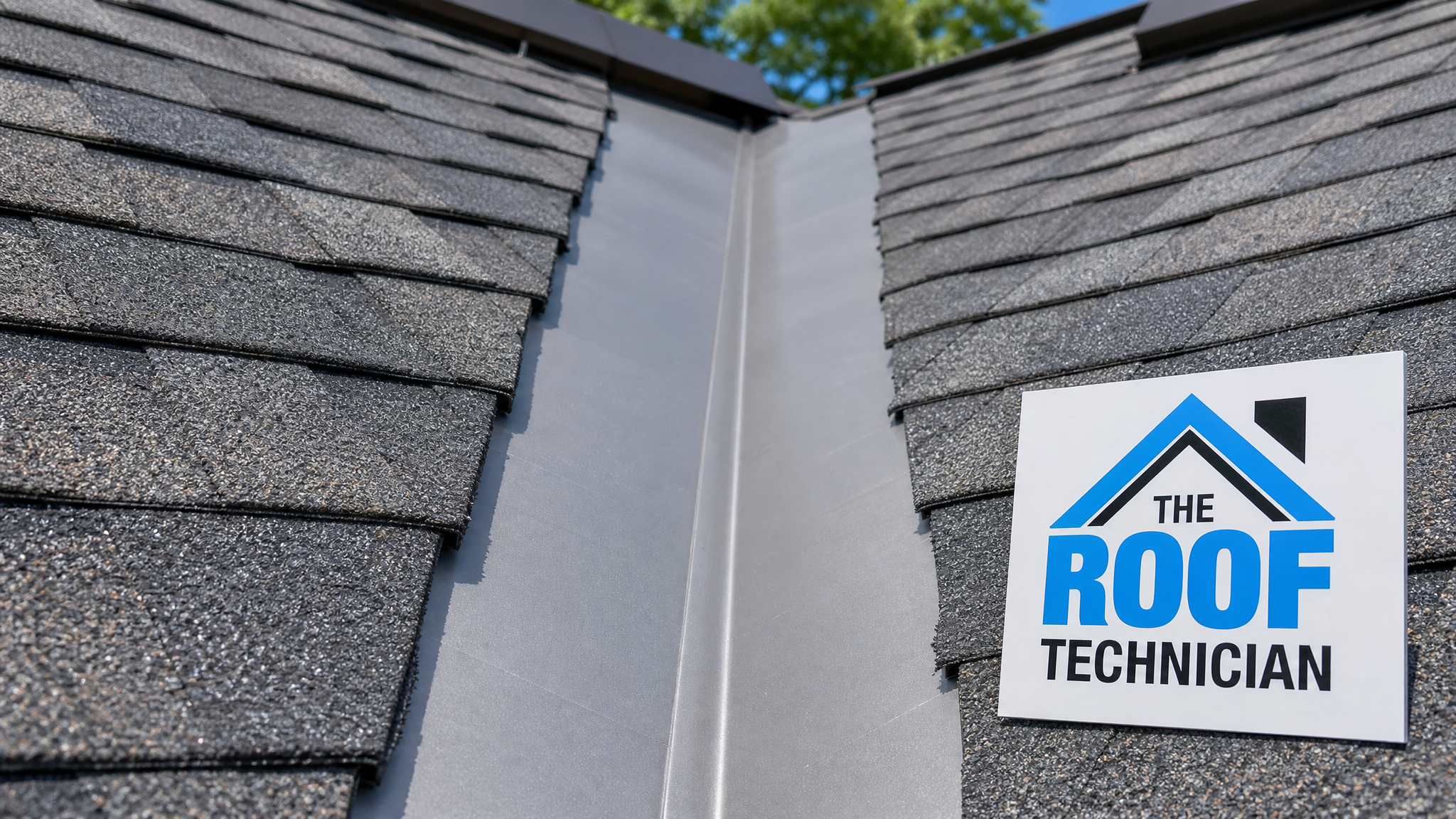
There are two dominant valley designs on Toronto homes, and understanding which one you have changes both the repair approach and the cost. An open valley uses an exposed metal channel, typically pre-finished aluminum, galvanized steel, or copper, running down the centre of the valley with shingles trimmed back on either side. A closed valley has shingles woven across or cut along the valley centre so no metal is visible. Closed valleys come in two sub-types: the woven valley, where shingles from both planes interlace, and the closed-cut valley, where one plane’s shingles run through and the other is trimmed to a clean line.
Builders across Mississauga, Vaughan and Markham favour closed-cut valleys because they install quickly and look seamless, but open metal valleys generally outlast them and shed debris far better. Many leak calls our crews answer involve aging closed valleys where the shingle layers have worn through from constant water flow and summer thermal cycling. The table below compares the two systems on the factors GTA homeowners care about most.
| Factor | Open Metal Valley | Closed (Woven/Cut) Valley |
|---|---|---|
| Water-shedding capacity | Excellent, smooth metal channel | Moderate, relies on shingle granules |
| Typical lifespan | 30-50 years (metal dependent) | 15-25 years |
| Debris handling | Self-cleaning, leaves slide off | Tends to trap leaves and grit |
| Upfront install cost | Higher (metal + labour) | Lower, faster install |
| Appearance | Visible metal stripe | Seamless shingle look |
| Best for | Steep, high-volume valleys | Low-slope, low-volume valleys |
Common Causes of Valley Leaks on Toronto Roofs
Most valley failures we see in the GTA trace back to a handful of root causes. Knowing them helps you describe the problem accurately and avoid paying for the wrong fix. The first is worn or undersized metal: an open valley installed with thin, unfinished steel can corrode within 15 years, and Toronto’s freeze-thaw winters followed by hot, humid summers accelerate that breakdown. The second is shingle wear in closed valleys, where decades of concentrated water flow grind the protective granules off the shingle surface until the asphalt mat is exposed and porous.
The third common cause is failed or missing underlayment. Older homes were sometimes built with a single layer of felt rather than a self-adhering ice-and-water membrane, so once the surface layer fails there is no second line of defence. The fourth is debris damming: leaves, pine needles, and roofing grit collect in the valley, hold moisture against the shingles, and force water sideways under the courses. The fifth is poor original workmanship, including nails driven too close to the valley centre, which creates a direct puncture path for water. Many of these issues are made worse by trapped attic heat and moisture, which is why we often pair valley work with an assessment of your attic ventilation system.
| Leak Cause | Warning Sign | Typical Fix |
|---|---|---|
| Corroded metal valley | Rust streaks, pinholes, stained metal | Replace valley metal + underlayment |
| Worn closed-valley shingles | Bald asphalt strip down valley centre | Rebuild valley, often to open metal |
| Failed underlayment | Leak after heavy rain, no surface damage | Strip and re-membrane with ice-and-water |
| Debris damming | Standing grit, moss, sideways water marks | Clear valley, inspect, re-seal |
| Misplaced nails | Localized drip after every storm | Reflash and re-seal valley centre |
2026 Roof Valley Repair Costs in Toronto, Mississauga, Vaughan and Markham
Valley repair pricing depends on the valley length, the type you have, the metal specified, accessibility, and whether surrounding shingles need to be lifted and re-laid. A short, accessible valley patch sits at the low end, while rebuilding a long open metal valley with new ice-and-water membrane and copper flashing reaches the high end. The figures below reflect 2026 GTA market rates for typical residential work. Steep-slope homes, three-storey access, and premium metals such as copper all push costs upward, while a straightforward single-storey repair on a walkable slope stays affordable.
For context, a full roof replacement includes all valleys priced into the system, so if your shingles are already near end of life, rebuilding one valley in isolation may not be the most economical path. Our estimators are transparent about that trade-off so you are not paying twice within a few years.
| Valley Work (2026 GTA) | Typical Price Range | What’s Included |
|---|---|---|
| Minor valley repair / re-seal | $450 – $900 | Clear debris, reseal, replace a few shingles |
| Closed valley rebuild (per valley) | $900 – $1,800 | Strip valley, new membrane, re-shingle |
| Open metal valley install (per valley) | $1,200 – $2,600 | New aluminum/steel channel + ice-and-water |
| Copper open valley (premium) | $2,500 – $4,500 | Copper channel, soldered ends, membrane |
| Multiple valleys + surrounding repair | $3,000 – $7,000+ | Several valleys, blended shingle tie-in |
The Roof Valley Repair Process Step by Step
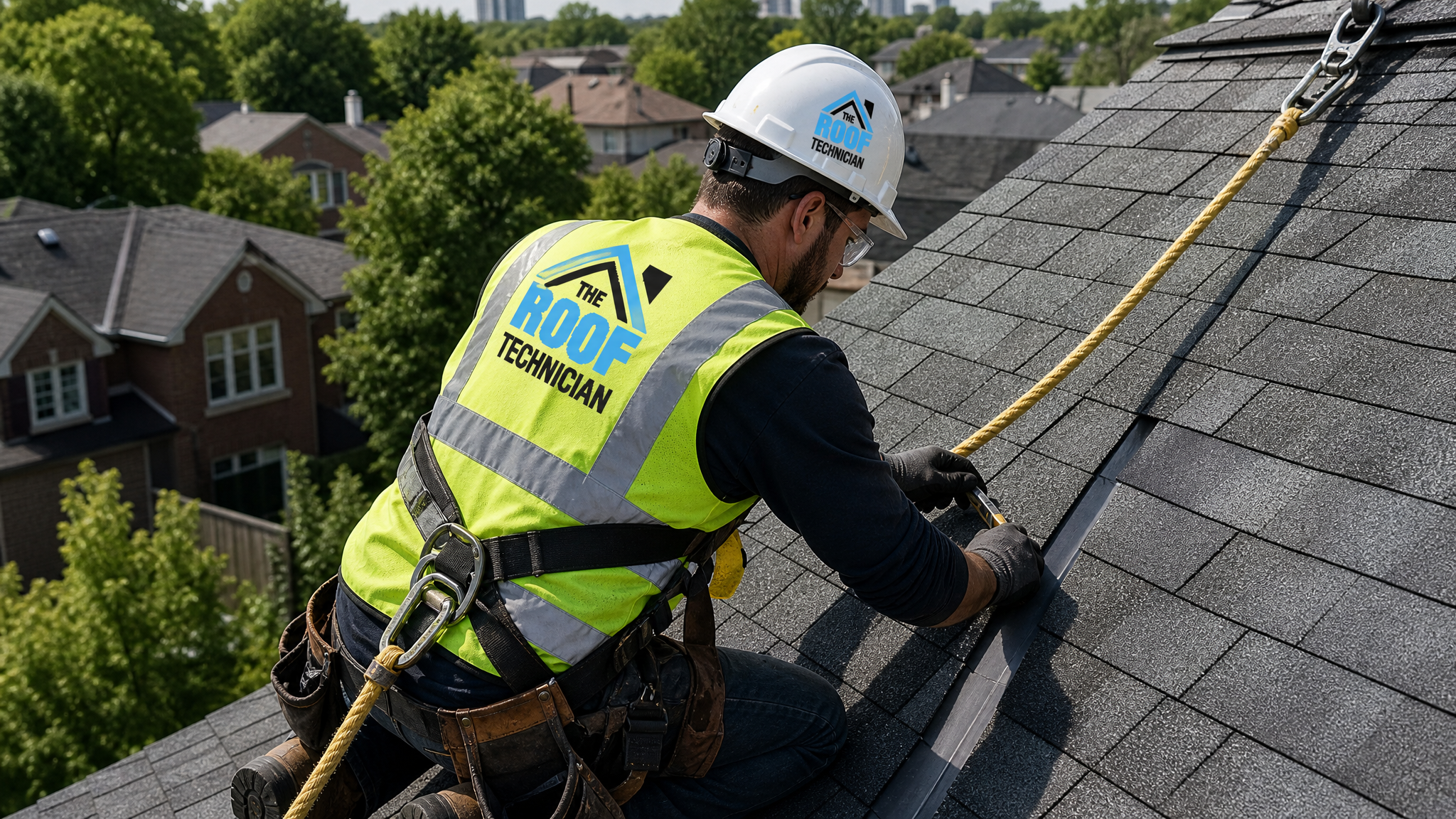
A professional valley repair is methodical, not a quick caulk job. It begins with a full roof inspection to confirm the valley is the true leak source and to check the surrounding deck for rot. From there, the crew sets up fall-protection anchors and ropes, because valleys sit on the steepest, most slippery part of the roof. The damaged shingles flanking the valley are carefully lifted, and the old metal or woven shingle channel is removed down to the deck.
Next, the team inspects and replaces any soft or water-damaged decking, then installs a self-adhering ice-and-water shield membrane the full length of the valley, extending well past each side. For an open valley, new pre-finished metal is centred and fastened only at the outer edges so no nail penetrates the water path. Shingles are then trimmed back along clean chalk lines, with the cut edges sealed. For a closed valley rebuild, the shingles are woven or cut over the membrane with the same careful nail placement. Finally, the crew water-tests or inspects for proper flow before cleaning up. This is the same disciplined approach we apply to all flat roofing and steep-slope work across the region. You can see how GTA homeowners rate that workmanship on our customer reviews page.
Repair or Replace? Making the Right Valley Decision
Deciding between a targeted valley repair and a broader replacement comes down to the age and condition of the rest of your roof. If your shingles are under ten years old and only one valley is failing, a clean rebuild of that valley is the right move and protects your investment. If your roof is 18 to 25 years old, showing curling, granule loss, and multiple problem areas, spending money on one valley is rarely worthwhile because the surrounding shingles will fail soon after.
A second consideration is whether the valley failure has already let water into the deck or attic. Hidden rot, mould, and insulation damage can quietly raise the total cost, which is why a thorough inspection matters before you commit. Homes in older Toronto neighbourhoods with multiple dormers and intersecting rooflines have more valleys and therefore more risk, so the maths often favours coordinated work. The summary table below helps you weigh the decision, and you can review answers to more questions on our roofing FAQ page.
| Roof Situation | Recommended Action | Reasoning |
|---|---|---|
| Shingles under 10 yrs, one bad valley | Repair / rebuild valley | Roof has years of life left |
| Shingles 10-15 yrs, isolated valley leak | Repair, monitor roof | Cost-effective interim fix |
| Shingles 18+ yrs, multiple issues | Full replacement | Avoid paying twice in a few years |
| Deck rot or attic moisture found | Repair deck + valley together | Stops hidden structural damage |
| Several dormers, many valleys | Coordinated multi-valley work | Economies of shared setup |
Protecting Your GTA Roof Valleys for the Long Term
Once your valley is restored, a few simple summer habits keep it performing. Keep nearby trees trimmed so leaves and seed pods do not collect in the channel, and have your roof inspected every couple of years, especially after major summer storms that drive debris and high water volume through the valleys. Clear your eavestroughs so water exiting the valley has somewhere to go rather than backing up under the lowest shingle course.
If you are planning other upgrades, it is efficient to coordinate them. Homeowners adding or replacing skylights should address adjacent valleys at the same time, since both rely on the same flashing discipline. Whether you are in central Toronto, Mississauga, Vaughan or Markham, scheduling a proactive look saves you from emergency calls. We serve the entire region, and you can confirm coverage for your neighbourhood on our service areas page, with dedicated information for Mississauga, Vaughan and Markham homeowners.
How much does roof valley repair cost in Toronto in 2026?
Are open or closed valleys better for GTA homes?
How do I know if my valley is the source of a leak?
Can a roof valley be repaired without replacing the whole roof?
Why do roof valleys leak more than the rest of the roof?
How long does a roof valley repair take?
Schedule Your Roof Valley Repair With The Roof Technician Today
Valleys do the hardest work on your roof, so they deserve experienced hands. The Roof Technician has repaired and rebuilt valleys on homes throughout Toronto and the surrounding GTA, combining proper ice-and-water membrane, quality metal flashing, and meticulous shingle work to stop leaks for good. We inspect before we quote, explain whether a repair or replacement makes more sense, and never push work you do not need.
Call us today at (416) 826-0040 or schedule a free roof inspection to protect your home before the next summer storm.
The Roof Technician proudly serves Toronto, Mississauga, Vaughan, Markham and the GTA with dependable roof valley repair and complete roofing solutions.