If you have ever stood across the street from your house and noticed how steep or shallow the roof looks, you have already started thinking about roof pitch. For homeowners across Toronto, Mississauga, Vaughan, Markham and the wider GTA, roof pitch is one of the most important yet least understood factors in any roofing project. It quietly dictates which materials you can install, how much your roof will cost in 2026, how water sheds off your home during a heavy summer downpour, and even how long your roof will last. This guide breaks down exactly what roof pitch means, how it is measured, and why it has such a direct impact on the decisions you make as a GTA homeowner.
At The Roof Technician, we measure roof pitch on every estimate because it changes nearly everything about the job. A shallow slope and a steep slope are almost two different trades, with different materials, labour rates, safety requirements and warranties. Understanding the basics puts you in a far stronger position when you compare quotes and plan your budget for the year ahead.
What Roof Pitch Actually Means
Roof pitch is the measure of how steep a roof is. In Canada and across North America, it is expressed as a ratio of vertical rise over horizontal run, written as something like 4:12 or 8:12. The second number is always 12, representing 12 inches (or 12 units) of horizontal distance. The first number tells you how many inches the roof rises vertically over that span. So a 6:12 roof climbs six inches for every twelve inches it travels horizontally.
The higher that first number, the steeper the roof. A 2:12 roof is nearly flat and barely visible from the ground, while a 12:12 roof rises at a dramatic 45-degree angle. Most residential homes in the GTA fall somewhere between 4:12 and 9:12. Older century homes in neighbourhoods like Cabbagetown or Leaside often feature steeper Victorian-era slopes, while many post-war bungalows in Etobicoke and Scarborough sit on gentler pitches. Knowing your number is the starting point for every material and cost conversation.
How Roof Pitch Is Measured in the GTA
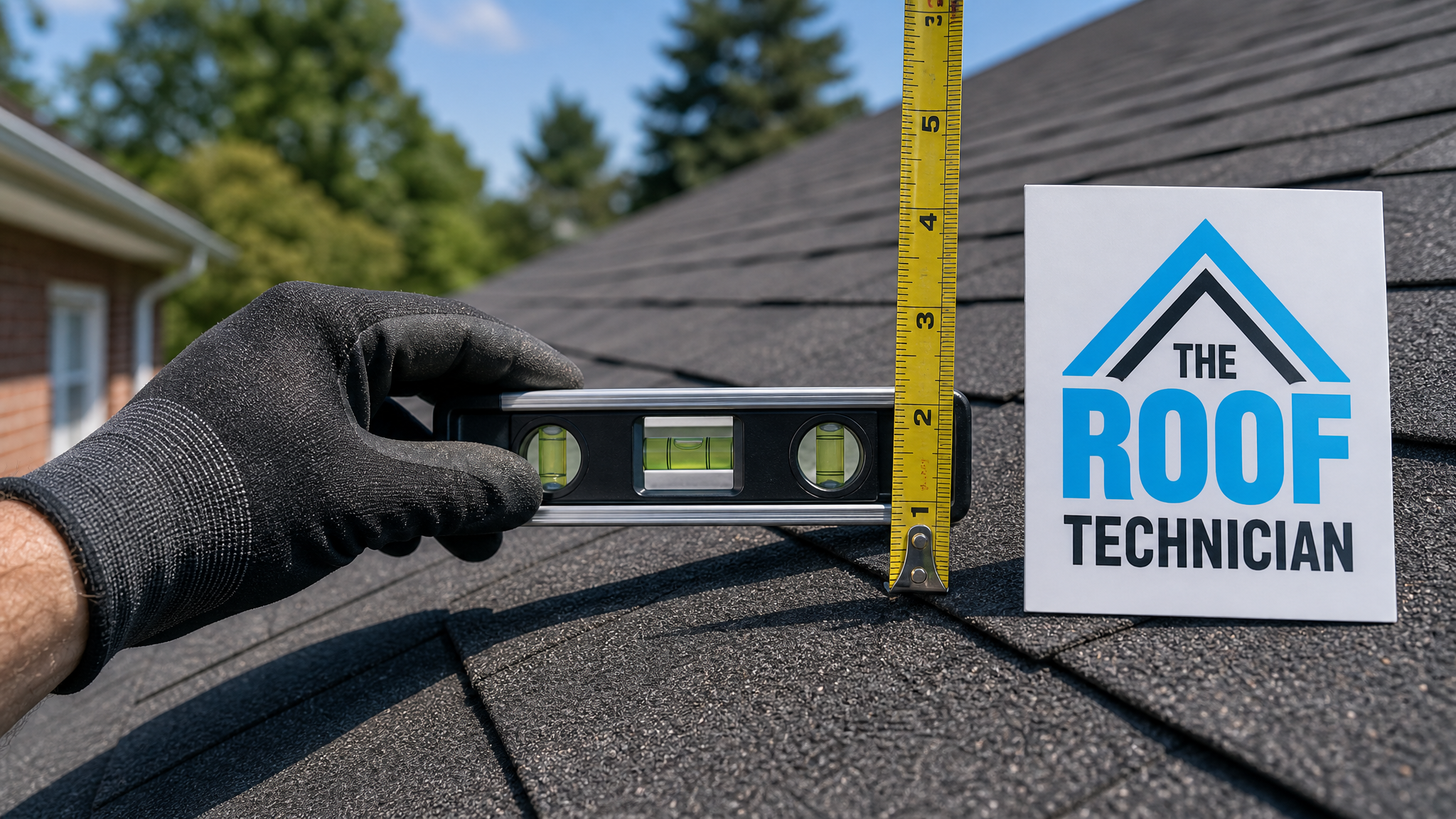
Roofers measure pitch in a few practical ways. The simplest is a level and a tape measure: hold a 12-inch level horizontally against the roof slope, then measure the vertical gap from the 12-inch mark down to the roof surface. That vertical measurement is your rise. A digital pitch gauge or a smartphone app can confirm the reading. For safety, our crews often take this measurement in the attic against the underside of the rafters rather than climbing a steep slope unnecessarily.
Pitch is sometimes also expressed as a fraction or an angle in degrees, which can cause confusion when you are reading old documents or manufacturer specifications. The table below translates the most common GTA residential pitches so you can speak the same language as your contractor and your shingle warranty paperwork.
| Pitch Ratio | Angle (Degrees) | Slope Category | Common GTA Home Type |
|---|---|---|---|
| 2:12 | 9.5° | Low slope | Modern flat-style additions, garages |
| 4:12 | 18.4° | Conventional | Post-war bungalows, ranch homes |
| 6:12 | 26.6° | Conventional | Two-storey suburban detached |
| 8:12 | 33.7° | Steep slope | Newer Vaughan and Markham builds |
| 12:12 | 45° | Steep slope | Victorian and Tudor century homes |
Why Roof Pitch Determines Your Material Choices
Not every roofing material works on every slope. This is the single biggest reason roof pitch matters so much. Asphalt shingles, the most popular choice across the GTA, are rated by manufacturers for a minimum slope of 2:12, but they perform best and carry full warranties at 4:12 and above. Below 2:12, water moves too slowly and can work its way under the shingle tabs, so a membrane system is required instead.
Low-slope and flat roofs need entirely different products such as modified bitumen, EPDM rubber or TPO. If your home has a low-slope section, our flat roofing specialists will recommend a fully sealed membrane rather than shingles. Steep roofs above 8:12, on the other hand, open the door to premium options like standing-seam metal, cedar, slate and synthetic slate that shed water beautifully and showcase a home’s architecture. The table below maps materials to the slopes where they belong.
| Material | Minimum Pitch | Ideal Pitch Range | Typical GTA Lifespan |
|---|---|---|---|
| Modified bitumen / EPDM | 0.25:12 | 0.25:12 to 3:12 | 20 to 30 years |
| Architectural asphalt shingles | 2:12 | 4:12 to 12:12 | 25 to 30 years |
| Standing-seam metal | 3:12 | 3:12 to 12:12 | 40 to 50 years |
| Cedar shakes | 4:12 | 5:12 and steeper | 30 to 40 years |
| Slate / synthetic slate | 4:12 | 6:12 and steeper | 50 to 100 years |
When you plan a roof replacement, the first question we answer is whether your existing pitch supports the material you want. Trying to install shingles on too shallow a slope is one of the most common causes of premature leaks we see during a roof repair call across Toronto.
How Roof Pitch Affects Your 2026 Roofing Cost
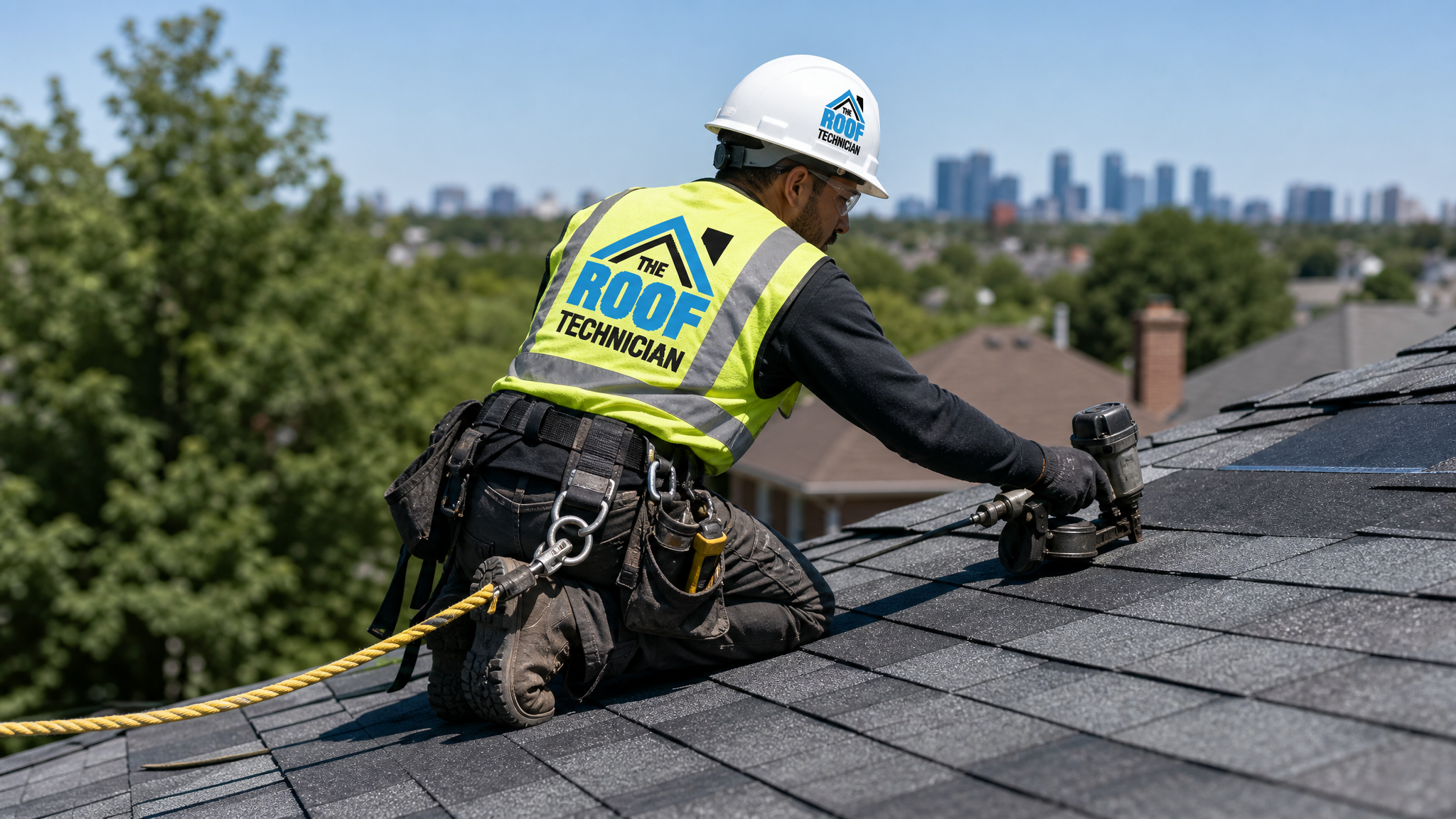
Pitch has a direct line to your wallet. Steeper roofs cost more for three clear reasons. First, they have more surface area than their footprint suggests, so a steep roof simply has more square footage of material than a shallow roof covering the same house. Second, steep slopes are slower and more dangerous to work on, which means more labour hours and mandatory fall-protection equipment. Third, the safety setup, staging and slower pace all push labour rates higher per square.
In roofing, a “square” equals 100 square feet of roof surface. The table below shows representative 2026 GTA installed pricing for architectural asphalt shingles by pitch category. These figures include tear-off, underlayment, new shingles, flashing and disposal, and reflect typical detached homes in Toronto, Mississauga, Vaughan and Markham.
| Slope Category | Pitch Range | 2026 Cost Per Square (Installed) | Relative Labour Factor |
|---|---|---|---|
| Walkable / low | 2:12 to 4:12 | $525 to $650 | 1.0x baseline |
| Moderate | 5:12 to 7:12 | $625 to $775 | 1.15x |
| Steep | 8:12 to 9:12 | $750 to $925 | 1.35x |
| Very steep | 10:12 and above | $900 to $1,200+ | 1.6x and up |
For a typical 1,800 square foot Markham two-storey at a 6:12 pitch, a full asphalt replacement in 2026 generally lands between $11,000 and $16,000, depending on the number of valleys, dormers and skylights. The same home at a 10:12 pitch can run 30 to 50 per cent higher purely because of the slope. This is why a vague phone quote is never reliable until someone has measured your actual pitch on site.
Roof Pitch, Water Drainage and Summer Storms
The GTA sees intense summer thunderstorms that can drop a month’s worth of rain in an hour. Roof pitch is your first line of defence. Steeper roofs shed water quickly, giving moisture little chance to pool or wick under the roofing material. Lower slopes drain slowly, so they rely far more heavily on the quality of the underlayment, the sealing of seams, and proper flashing around penetrations.
Pitch also influences attic airflow and heat management. On hot summer days, a well-ventilated roof keeps attic temperatures down and protects your shingles from cooking from the underside. Pairing the right pitch with proper attic ventilation extends the life of the roof and improves comfort inside the home. If your roof has skylights, the pitch determines how the flashing kit is configured, which is why our skylight installations always start with a pitch reading.
Common Roof Pitch Problems We See Across the GTA
Many of the leaks and failures we are called to fix trace back to a mismatch between pitch and material. Shingles installed on a sub-2:12 slope are a recurring culprit, as are improperly sealed transitions where a steep main roof meets a low-slope porch or addition. Older homes that have had multiple re-roofs sometimes hide changes in slope under layers of material, creating hidden valleys where water collects.
Another frequent issue is undersized or missing ice-and-water shield at the eaves and in valleys on moderate slopes. While ice damming is a winter concern, the same vulnerable spots leak during driving summer rain when wind pushes water sideways under the shingles. A professional inspection identifies these weak points before they become interior damage. Homeowners can read more in our roofing FAQ, and you can see how we have handled jobs like these in our customer reviews.
Choosing the Right Roof for Your Pitch and Budget
Once you know your pitch, the decision tree gets much clearer. If you have a conventional 4:12 to 7:12 roof, architectural asphalt shingles offer the best value and a clean look that suits most GTA streetscapes. If your home has a steeper 8:12 or greater profile, it is worth considering metal or premium materials, since the slope already showcases the roof and the longer lifespan offsets the higher installed cost over decades.
Homes with low-slope sections should never be forced into shingles; a proper membrane is the safer long-term investment. Many GTA homes are a blend, with a steep main roof and a flat rear addition, which means two systems on one property. Matching each section to the correct product is exactly the kind of detail that separates a lasting roof from a recurring headache. If you are unsure where your home falls, an on-site assessment removes the guesswork. You can review the communities we cover on our service areas page, including dedicated coverage for Mississauga, Vaughan and Markham.
What is the most common roof pitch on GTA homes?
Can I put asphalt shingles on a low roof pitch?
How does roof pitch affect my roofing cost in 2026?
How do I measure my roof pitch myself?
Does a steeper roof last longer?
Can I change my roof pitch during a renovation?
Talk to The Roof Technician About Your Roof Pitch Today
Understanding your roof pitch is the foundation of a smart, cost-effective roofing decision in 2026. Whether you have a gentle bungalow slope or a steep century-home profile, the right material and an honest quote start with an accurate measurement. The team at The Roof Technician measures pitch on every estimate so you never pay for guesswork, and we explain exactly how your slope shapes your material options and your budget.
Call us today at (416) 826-0040 or schedule a free roof inspection to get a precise, pitch-based quote for your home this summer.
The Roof Technician proudly serves Toronto, Mississauga, Vaughan, Markham and the GTA with expert roofing installation, replacement and repair.