{“slug”:”roof-replacement-burlington”,”title”:”Roof Replacement in Burlington: 2026 Costs and Materials”,”keyword”:”roof replacement burlington”,”excerpt”:”Roof replacement in Burlington: 2026 cost ranges by home size, material comparisons, permit rules and what really drives the price of a new roof.”,”content”:”
A roof replacement in Burlington is one of the larger single investments a homeowner makes, and the 2026 numbers have moved far enough that quotes from even three or four years ago are no longer a useful reference point. Material pricing, labour rates across Halton Region, and stricter attention to ventilation and ice barrier requirements under the Ontario Building Code have all pushed the realistic budget upward. This guide sets out what a roof replacement in Burlington costs today, which materials suit the local housing stock, how the work actually unfolds, and where homeowners most often lose money by choosing on price alone.
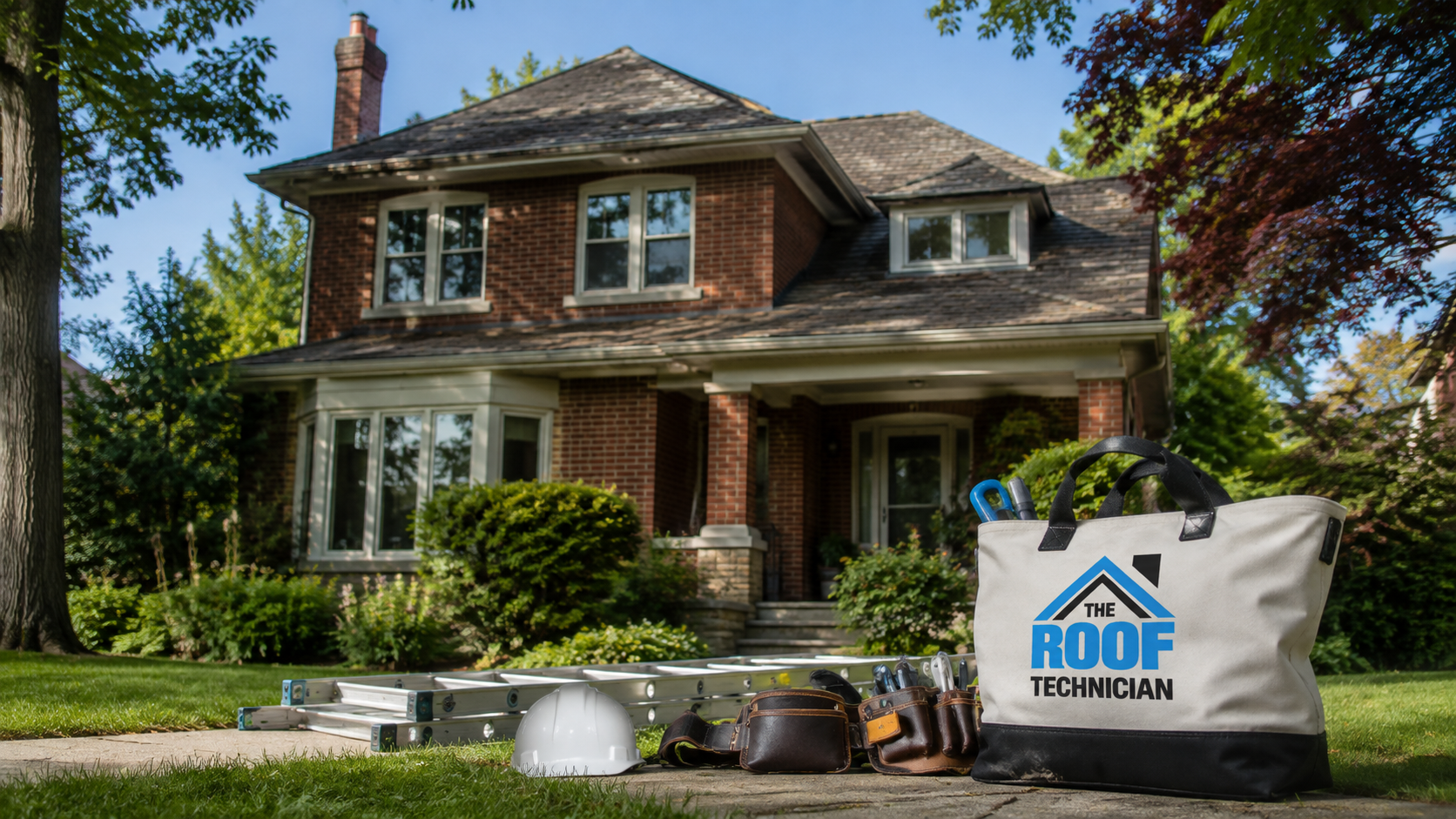
Burlington’s housing is unusually varied for a city of its size. Postwar bungalows and side splits sit within a few blocks of 1990s two-storey subdivisions, and larger estate lots toward the north end of the city carry roofs with complex hip lines, multiple dormers and steeper pitches. Those differences matter more than most homeowners expect, because roof area, pitch and complexity drive the final invoice far more than the brand printed on the shingle bundle. A modest bungalow with a simple gable roof and a large two-storey with six roof planes and three valleys are not comparable projects even when the shingles are identical.
Weather plays a part as well. Homes closer to the lake shore see more wind loading and more freeze and thaw cycling through the shoulder seasons, while properties on the escarpment side of the city tend to carry heavier snow loads for longer. Both conditions punish a roof that was installed without proper flashing detail, adequate intake ventilation or a continuous ice and water membrane at the eaves. A great deal of what looks like premature shingle failure on a roof replacement in Burlington is really a detailing failure that showed up as a leak five or six years after installation.
What a Roof Replacement in Burlington Costs in 2026
The honest answer is a range, and any contractor who quotes a firm number before measuring the roof and looking at the attic is guessing. That said, most residential roof replacement in Burlington falls into predictable bands once you account for roof area and complexity. The figures below reflect complete jobs: full tear-off of the existing layers, deck inspection, new underlayment, new ice and water shield, new flashings, new vents, installation, disposal and site cleanup.
| Home type | Typical roof area | Architectural asphalt (2026) | Premium or metal option |
|---|---|---|---|
| Postwar bungalow, simple gable | 1,500 to 2,000 sq ft | $10,500 to $17,000 | $22,000 to $38,000 |
| Side split or raised bungalow | 1,800 to 2,400 sq ft | $12,500 to $20,000 | $26,000 to $44,000 |
| Subdivision two-storey | 2,000 to 2,800 sq ft | $14,000 to $24,000 | $30,000 to $52,000 |
| Large or estate-lot home | 3,000 to 4,500 sq ft | $23,000 to $42,000 | $48,000 to $85,000 |
| Mixed sloped and flat sections | 2,000 to 3,000 sq ft | $17,000 to $32,000 | $34,000 to $58,000 |
Two things drive the spread inside each band. The first is pitch. Anything above roughly 6:12 slows the crew down and requires more staging and fall protection, and that typically adds ten to twenty-five per cent to the labour portion. The second is the condition of the deck underneath, which nobody can assess accurately until the old shingles come off. A quote for roof replacement in Burlington should always state a per-sheet rate for replacing damaged plywood or board sheathing so there are no surprises on day two.
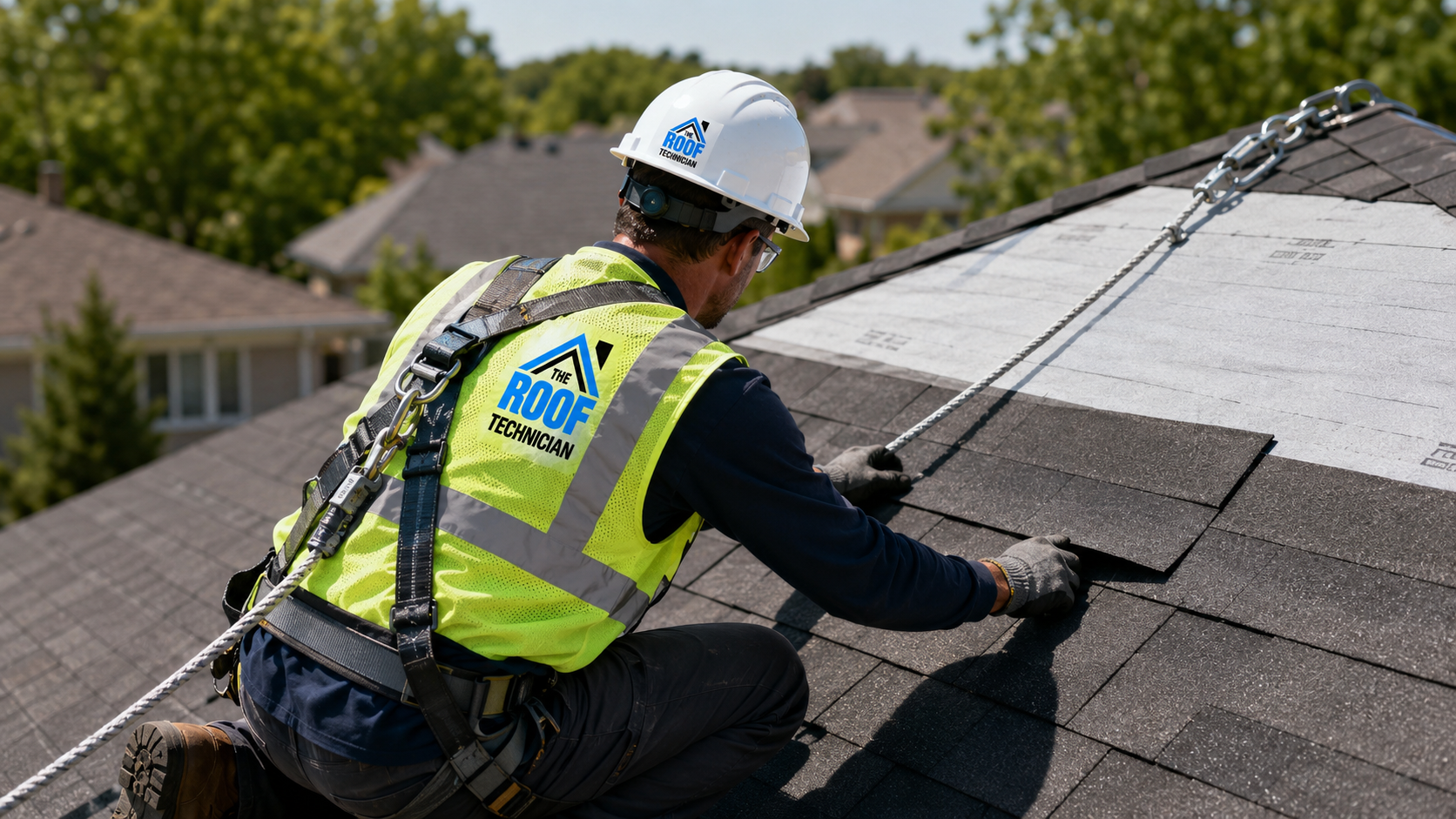
It is also worth being realistic about the low end of the market. Quotes that land dramatically below these ranges usually achieve it by skipping something: fewer courses of ice and water shield, reused flashings, painted-over vents rather than new ones, or a crew working without the fall protection the job legally requires. None of those savings survive the first serious ice storm.
Matching Materials to Burlington’s Housing Stock
Most roof replacement in Burlington is carried out using architectural asphalt shingles, and for good reason. They handle Ontario’s freeze and thaw swings well, they are widely stocked, and the manufacturer warranties are meaningful when installation follows spec. But they are not the only sensible option, particularly on homes with low-slope sections, heavy shade, or long expected ownership.
| Material | Installed cost per sq ft | Realistic service life | Best suited to |
|---|---|---|---|
| Architectural asphalt shingle | $6.00 to $9.50 | 25 to 30 years | Most sloped roofs in the city |
| Designer or premium asphalt | $9.00 to $13.50 | 30 to 40 years | Steep, highly visible roof faces |
| Metal shingle or tile profile | $13.00 to $19.00 | 40 to 50 years | Complex hip roofs, long-term owners |
| Standing seam metal | $16.00 to $27.00 | 45 to 60 years | Simple planes, estate-lot homes |
| Modified bitumen (two-ply torch) | $12.00 to $18.00 | 20 to 25 years | Flat additions, garage and porch roofs |
| Single-ply membrane (TPO or EPDM) | $11.00 to $17.00 | 20 to 30 years | Larger flat sections and rear extensions |
Split-level and mid-century homes across the city frequently have a low-slope rear section over an addition, a sunroom or a carport. Those areas cannot be shingled, and trying to do so is one of the most common causes of chronic leaks we see. They need a proper membrane system instead, which is why a large share of roof replacement in Burlington projects are technically hybrids: shingles on the main roof and a flat roofing membrane on the low-slope portion, with a carefully detailed transition between the two.
Colour and profile choices matter less technically but more than homeowners expect for resale in newer subdivisions where architectural control guidelines may still apply. Darker weathered wood and charcoal tones remain the most common choices in Halton, and they hide the granule wear that lighter colours reveal early.
What Pushes a Burlington Quote Up or Down
Once the base roof area is set, the variable line items decide whether a roof replacement in Burlington lands at the bottom or the top of its range. Understanding these ahead of time makes comparing quotes far easier, because a cheaper headline number often simply excludes items a competitor included.
| Line item | Typical 2026 range | When it applies |
|---|---|---|
| Replacing damaged sheathing | $95 to $155 per sheet | Rot found after tear-off, common on 1950s to 1970s homes |
| Removing a second existing layer | $0.85 to $1.60 per sq ft | Where a previous roof was laid over rather than torn off |
| Steep pitch surcharge | 10 to 25 per cent of labour | Slopes above roughly 6:12 |
| Chimney reflashing | $650 to $1,800 each | Masonry chimneys, nearly always worth doing during a replacement |
| Skylight replacement during reroof | $1,300 to $3,200 per unit | Units over fifteen years old |
| Ridge vent and intake upgrades | $700 to $2,400 | Attics with inadequate airflow |
| Eavestrough and downspout renewal | $10 to $17 per linear foot | Optional, but efficient to combine with the roof |
Skylights deserve a specific mention. Replacing an aging unit while the roof is open costs a fraction of doing it later, because the flashing kit integrates with the new shingle courses rather than being cut into a finished roof. If your home has original units and you are already committed to a reroof, replacing the skylights at the same time is almost always the cheaper long-term decision.
Permits, Code and What Burlington Actually Requires
In most cases a straightforward reroof does not require a building permit. Replacing the roof covering, underlayment and flashings on an existing structure is generally treated as maintenance. A permit does become necessary once the work touches structure: adding or altering rafters or trusses, changing the roof line, framing a new dormer, or replacing sheathing over a large area as part of a structural repair. If a contractor tells you a simple shingle swap needs a permit, ask them to explain exactly what structural work they are proposing.
The Ontario Building Code requirements that most affect a residential reroof are worth knowing. Eave protection, commonly supplied as a self-adhered ice and water membrane, is required from the edge of the roof to a point measured well inside the interior face of the exterior wall. In practice that usually means at least one full course, and on lower-slope roofs or homes with a history of ice damming, two or three courses are the sensible call. Valleys, skylight perimeters and roof-to-wall junctions should also receive membrane rather than felt alone.
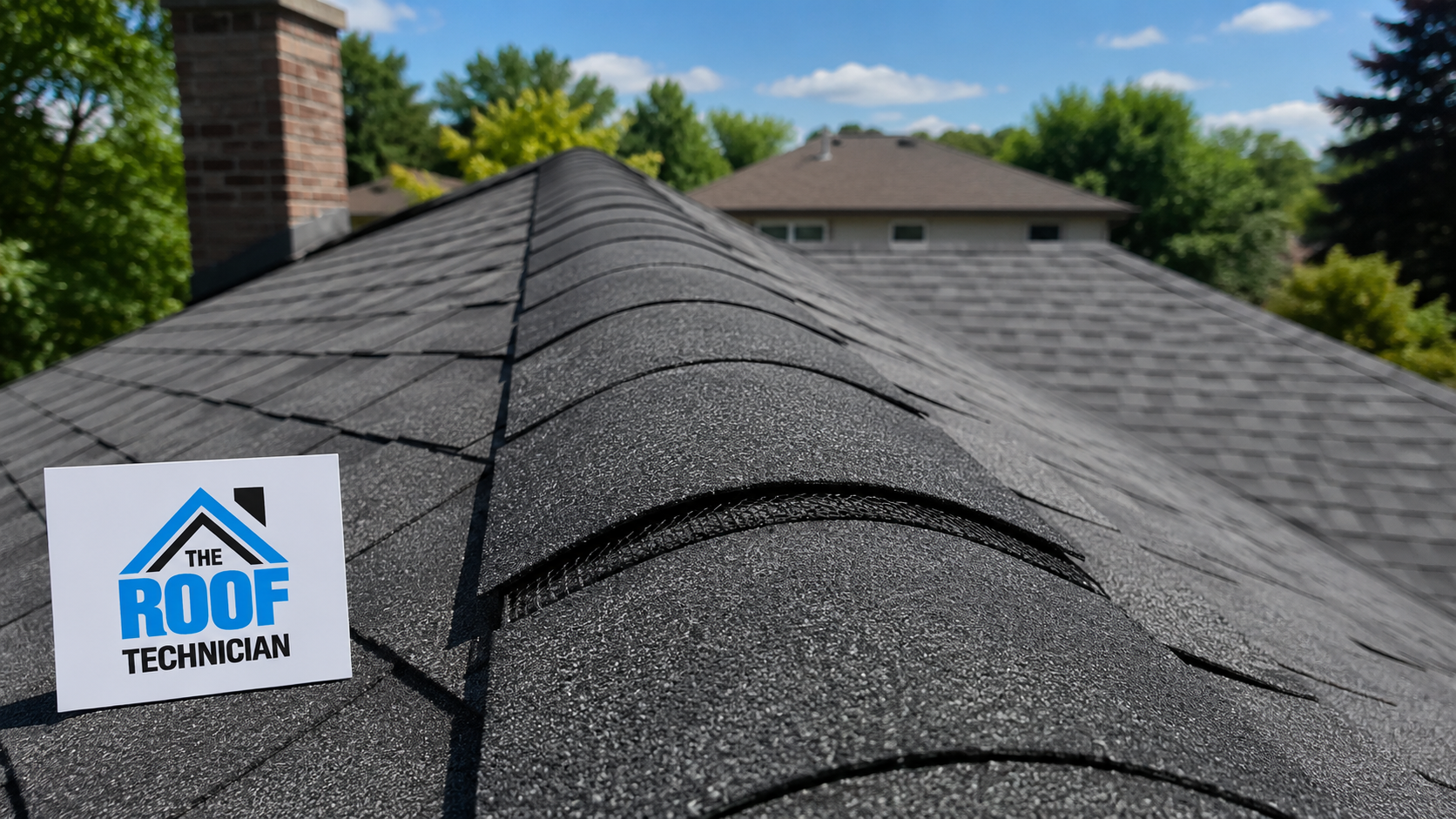
Attic ventilation is the second code-driven item, and the one most often shortchanged. The general requirement is unobstructed vent area of not less than 1/300 of the insulated ceiling area, increased to 1/150 on low-slope roofs, split roughly evenly between intake at the soffits and exhaust near the ridge. Adding exhaust vents without confirming that the soffits actually draw air is a very common mistake, and it leaves the attic no better ventilated than before. Any serious quote should address attic ventilation explicitly rather than treating it as an afterthought.
Finally, drip edge, properly lapped underlayment, correct nail placement in the manufacturer’s nailing zone, and starter strips at eaves and rakes are not upgrades. They are baseline requirements, and skipping any of them can void the shingle manufacturer’s warranty even though the roof looks finished from the ground.
The Replacement Process and Realistic Timelines
A well-run roof replacement in Burlington project follows the same sequence regardless of house size. Knowing the steps helps you judge whether a crew is cutting corners while the work is underway.
- Inspection and measurement. A proper assessment includes the attic, not just the roof surface. Staining on the sheathing underside, compressed insulation at the eaves and blocked soffit vents all change the scope.
- Quote and material selection. Shingle line, colour, underlayment type, ice and water coverage, vent type and flashing details should all be named in writing.
- Site protection and tear-off. Landscaping and walls are covered, and the old roofing comes off in sections so no large area is left exposed overnight.
- Deck inspection and repair. Every sheet is checked for soft spots and adequate fastening before anything new goes down.
- Membrane, underlayment and flashings. Ice and water at the eaves and valleys, synthetic underlayment across the field, and new metal at every penetration and wall junction.
- Shingle installation and ventilation. Starter courses, field shingles, ridge cap and vents installed to manufacturer spec.
- Cleanup and final walkthrough. Magnetic sweep of the property, debris removal, and a review of the completed work with photographs.
For timing, a typical bungalow or subdivision two-storey is a one to two day job with a full crew. Larger homes, steep or complex roofs, and projects that include flat sections or multiple skylights commonly run three to five days. Weather adds variability: crews will not tear off into an incoming storm, and shingle sealing strips need reasonable temperatures to bond, which is why late spring through early autumn remains the busiest window in Halton.
Choosing a Contractor Without Getting Burned
The roofing trade has a low barrier to entry, and that shows up in the quality spread on residential work. When comparing bids for a roof replacement in Burlington, weigh these factors rather than the bottom-line number alone.
- WSIB coverage and liability insurance. Ask for current certificates, not verbal assurance. If an uninsured worker is hurt on your property, the exposure can land on you.
- Written scope, not a one-line quote. The estimate should name the shingle product, underlayment, ice and water coverage, flashing work, ventilation plan and disposal.
- Deck repair pricing stated up front. A fixed per-sheet rate prevents a mid-project renegotiation.
- Workmanship warranty in writing. Material warranties come from the manufacturer. The installation warranty comes from the contractor, and it is only as good as the company standing behind it.
- Verifiable local work. Photographs of completed roofs and independent customer reviews tell you more than a brochure.
Homeowners comparing options across Halton often start by reading through our Burlington roofing services page, which covers the full range of work available locally, and our roof replacement service page, which sets out the process and materials in more detail. If you still have questions after that, the roofing FAQ answers many of the common ones about timelines, warranties and preparation.
Repair or Replace: Making the Call
Not every problem roof needs to come off, and a roof replacement in Burlington is not always the right answer. The deciding factors are age, the extent of the damage, and whether the deck below is still sound. A roof under fifteen years old with isolated wind damage or a failed pipe boot is usually a repair. A roof past twenty years with widespread granule loss, curling tabs, exposed fibreglass mat or multiple active leaks has reached the end of its service life, and patching it just delays the inevitable at additional cost.
Some clear signals that a roof replacement in Burlington rather than a repair is the right call: shingles that crack when handled, sagging between rafters visible from the street, daylight visible through the sheathing from inside the attic, granules accumulating heavily in the eavestroughs each spring, and repeated leaks in different locations. Any one of these on a roof already past two decades points toward a full replacement.
Where the roof is genuinely young and the issue is localised, targeted roof repair is the more sensible spend. An honest contractor will tell you which situation you are in, and will not pressure a full replacement on a roof with a decade of life left. Homeowners elsewhere in the western GTA can find the same range of services through our Peel Region coverage.
Protecting the Investment After Installation
A roof replacement in Burlington is not a maintenance-free outcome, and the difference between a shingle system reaching twenty years and reaching thirty usually comes down to a handful of small habits. Keep eavestroughs clear so meltwater has somewhere to go rather than backing up under the shingle edge. Trim branches that overhang the roof, since abrasion and constant shade both accelerate wear. After any significant windstorm, walk the property and look for shingle debris on the ground, which is the earliest sign of lifted tabs.
Have the roof looked at every couple of years, and after any major storm event. A ten minute inspection that finds a lifted flashing or a cracked pipe boot costs almost nothing compared with repairing the drywall, insulation and framing damage that a slow leak causes over two winters. Keep your invoice, product documentation and warranty paperwork together, because manufacturer claims almost always require proof of what was installed and by whom.
Ventilation deserves ongoing attention too. If you add insulation to the attic later, confirm that the soffit baffles are still open and that the new material has not been pushed into the eaves. Blocking intake airflow after the fact is one of the quietest ways to shorten the life of a brand new roof, and it is entirely avoidable.
How much does a roof replacement in Burlington cost in 2026?
Do I need a building permit for a roof replacement in Burlington?
How long does a full roof replacement take?
What is the best time of year to replace a roof in Halton Region?
Can new shingles be installed over the existing roof?
How do I know whether my roof needs repair or full replacement?
Book Your Roof Replacement in Burlington Consultation
Every roof is different, and the only way to price a roof replacement in Burlington accurately is to measure it, inspect the attic and look at the flashings and ventilation in person. The Roof Technician is based in the Toronto area and works throughout Halton Region, providing detailed written quotes that name the products, the scope and the deck repair rate before any work starts.
Call us today at (416) 826-0040 or request a free consultation to have your roof assessed and get a clear, itemised estimate with no pressure attached.
The Roof Technician proudly serves Burlington and communities across Halton Region and the Greater Toronto Area.
“,”images”:[{“type”:”hero”,”filename”:”b10-12_hero_roofreplacementburli.png”,”alt”:”Suburban Burlington two-storey home with an aging asphalt shingle roof due for roof replacement in Burlington”,”caption”:”Roof age, pitch and the number of roof planes matter more to the final cost than the shingle brand.”,”scene”:”Exterior wide shot of a two-storey brick suburban home in a mature Ontario neighbourhood on a clear summer morning, photographed from across the front lawn. The asphalt shingle roof shows visible age with faded, slightly curled shingles across a hip roof with one dormer and a masonry chimney. Green lawn, mature deciduous trees and clear blue sky; no people, no vehicles, nothing placed on the roof.”},{“type”:”worker”,”filename”:”b10-12_worker_roofreplacementburli.png”,”alt”:”Roofer in full safety gear installing new asphalt shingles during a roof replacement in Burlington”,”caption”:”A properly staged tear-off keeps the deck protected while the crew inspects every sheet of sheathing.”,”scene”:”Exactly one tradesperson kneeling on a mid-pitch residential roof in bright summer daylight, positioning a bundle course of new dark grey architectural asphalt shingles over fresh synthetic underlayment. He wears a hard hat, high-visibility vest, safety glasses, work gloves, steel-toe boots and a fall-protection harness with a taut safety rope running to an anchor at the ridge. Suburban rooftops and green tree canopy blur into the background; no vehicles, no objects or clutter on the roof.”},{“type”:”detail”,”filename”:”b10-12_detail_roofreplacementburli.png”,”alt”:”Close-up detail of new ridge cap shingles and ridge ventilation after a roof replacement in Burlington”,”caption”:”Ridge cap and vent detailing is where installation quality shows most clearly on a finished roof.”,”scene”:”Tight close-up along the ridge line of a freshly completed asphalt shingle roof in warm summer daylight, showing crisp new charcoal ridge cap shingles laid over a low-profile continuous ridge vent. Clean nail lines, sharp shingle edges and consistent exposure are visible, with the field shingles falling away in soft focus toward a blue sky. No people, no vehicles, no objects resting on the roof.”}]}