If you are weighing both a new array of solar panels and a new roof, getting the sequence right is the single most important decision you will make. For homeowners across the GTA, a solar panels roof replacement gta project that is done out of order can cost thousands in removal and reinstallation fees, void warranties, and leave you with a roof that ages out years before your panels do. The smart move in 2026 is almost always the same: replace the roof first, then mount the solar. This guide walks Toronto, Mississauga, Vaughan and Markham homeowners through exactly why, what it costs, how long it takes, and how to avoid the expensive mistakes we see every season.
Asphalt shingle roofs in the GTA typically last 18 to 25 years, while modern photovoltaic panels carry 25-year performance warranties. When those two lifespans do not line up, you create a conflict that the panels will always lose. Below, we break down the decision into clear, data-backed steps so you can plan with confidence rather than guesswork.
Solar Panels Roof Replacement GTA: Why Sequence Decides Everything
The core problem is simple math. A rooftop solar array is bolted directly into your roof deck and is designed to stay there for 25 to 30 years. If your existing shingles only have 6 or 8 years of life left when the panels go on, you will eventually need to pay a solar contractor to remove the entire system, store it, wait for the new roof, and then reinstall and recommission everything. That detach-and-reset cycle is pure waste, and it is entirely avoidable with proper planning.
For any solar panels roof replacement gta project, the rule of thumb we give homeowners is direct: if your roof is more than 12 years old, or shows any signs of curling, granule loss, or leaks, replace it before a single panel goes up. A fresh roof under a new array means both systems will reach the end of their service life at roughly the same time, with no premature teardown in between. If you are unsure of your roof’s true condition, a professional roof replacement assessment will tell you whether the deck and shingles can realistically carry panels for the next quarter century.
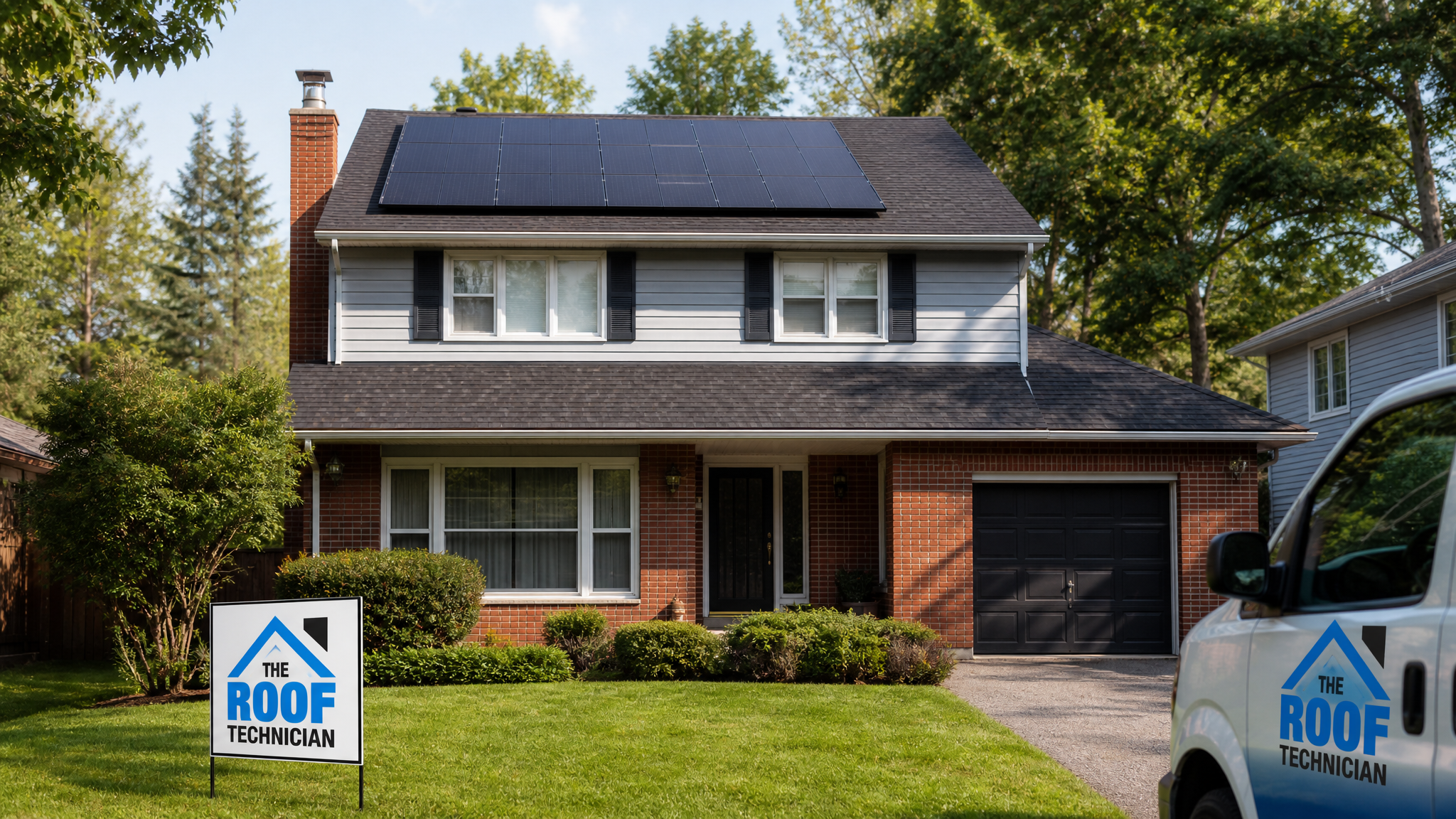
There is also a structural angle. A residential solar array adds roughly 2 to 4 pounds per square foot of dead load, plus point loads at each mounting bracket. On an older, weakened deck with rot or delamination, that load can accelerate sagging and fastener pull-out. Replacing the roof first lets your contractor verify the sheathing, upgrade fasteners, and confirm the structure is sound before any weight is added. This is why we treat the roof and the array as one coordinated project, not two separate jobs.
What to Replace First: The 2026 Decision Matrix
Not every situation calls for a full tear-off before solar. The right answer depends on your roof’s remaining life, its current condition, and whether you have already signed a solar contract. The table below reflects how we advise GTA homeowners in 2026.
| Roof Age / Condition | Recommended First Step | Why | Typical Cost Impact |
|---|---|---|---|
| 0-8 years, no issues | Install solar now | Roof will outlast first warranty period | No added roofing cost |
| 9-14 years, good shape | Inspect, then decide | Borderline; depends on shingle quality | $0-$1,500 inspection/repair |
| 15+ years, any age with damage | Replace roof first | Avoids detach-and-reset later | $8,000-$18,000 roof |
| Active leaks or rot | Replace roof immediately | Panels will trap and hide damage | $10,000-$22,000 roof + deck |
If your roof is in the borderline 9-to-14-year range, do not guess. A targeted inspection that checks granule wear, flashing integrity, and attic moisture is far cheaper than a detach-and-reset down the road. In many cases a minor roof repair buys you the certainty you need, but if the shingles are near the end, the math nearly always favours a full replacement before panels.
One overlooked factor is roof geometry. Complex roofs with many valleys, dormers, and hips offer less usable south-facing area and cost more to both re-shingle and rack. Simple gable roofs in newer Vaughan and Markham subdivisions are ideal for solar, while older Toronto homes with cut-up roofs may need more planning to find a clean array zone.
Real GTA Costs: Roof, Solar, and the Cost of Doing It Wrong
Numbers make the case better than anything. Below are realistic 2026 ranges for the Greater Toronto Area, based on typical detached and semi-detached homes. Solar pricing reflects systems in the 6 kW to 10 kW range, which is common for GTA households after the federal incentive landscape shifted.
| Line Item | Low | Typical | High |
|---|---|---|---|
| Asphalt shingle roof replacement (avg GTA home) | $8,000 | $13,500 | $18,000 |
| Deck/sheathing repair (if needed) | $800 | $2,200 | $5,000 |
| 6-10 kW solar array (installed) | $18,000 | $26,000 | $34,000 |
| Solar detach-and-reset (if roof replaced later) | $3,500 | $5,500 | $8,500 |
That last row is the penalty for getting the order wrong. A detach-and-reset adds $3,500 to $8,500 with zero added benefit, because you are paying to remove and reinstall a system you already own. Spread across a typical GTA project, doing the roof first instead of second can save more than the cost of a kitchen renovation in avoided rework.
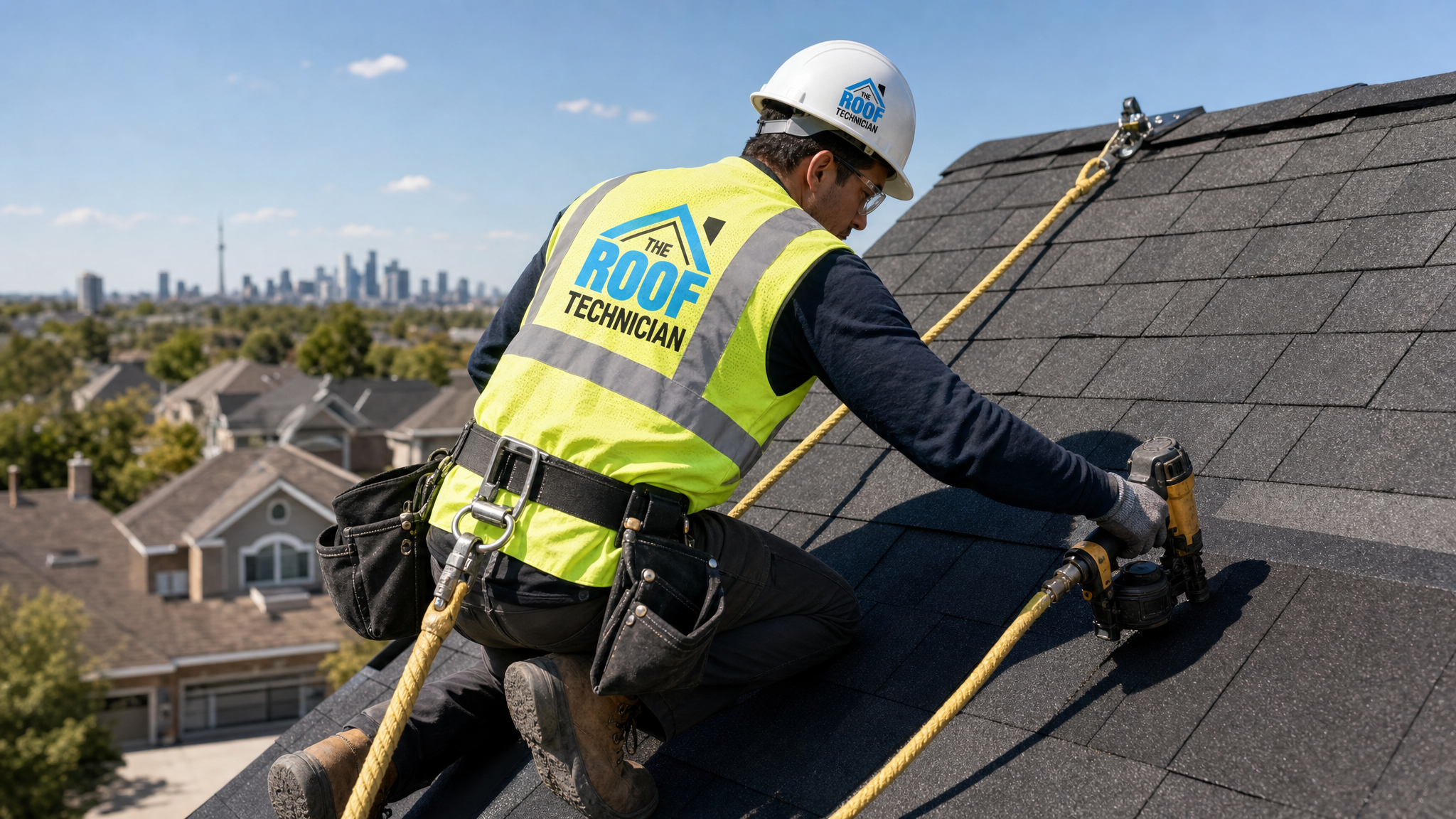
It is also worth budgeting for the items that make a solar-ready roof last. Upgraded flashing kits, ice-and-water shield in the valleys, and proper sealant around every penetration are small line items that prevent big leaks. When panels cover a section of roof, you cannot easily spot a slow leak until it has done real damage in the attic, so the waterproofing details matter more on a solar roof than a bare one.
Toronto Code, Permits, and Ventilation Rules for Solar Roofs
Mounting solar in the GTA means satisfying both the Ontario Building Code and your local utility’s connection requirements. The 2026 landscape is well established, but the details trip up homeowners who try to coordinate two trades themselves. Here is what your roof must satisfy before panels go on.
| Requirement | Specification (2026) | Who Verifies | Notes |
|---|---|---|---|
| Structural load capacity | Roof must carry array dead load plus snow load | Engineer / contractor | Stamped letter often required |
| Fire setback / pathway | Clear pathways for firefighter access | Building department | Reduces usable panel area |
| Attic ventilation | Balanced intake and exhaust maintained | Roofing contractor | Panels can shade vents; plan around them |
| Electrical connection | Utility net-metering approval | Local distribution company | Inspection by ESA required |
Attic ventilation is the detail homeowners forget. A solar array changes airflow and shading on the roof surface, and if your existing vents are poorly balanced, trapped heat and moisture can shorten shingle life and cause ice damming in winter. Before any panels go up, confirm your attic ventilation is properly balanced so the roof under the array stays dry and cool. Getting this right also protects the manufacturer warranty on your new shingles, which often requires adequate ventilation as a condition.
Permits in Toronto, Mississauga, Vaughan and Markham are issued separately for roofing and for the electrical solar tie-in. A coordinated contractor will sequence the roof permit and tear-off first, then hand a clean, warrantied surface to the solar installer, with the electrical inspection handled by the Electrical Safety Authority. Skipping the permit step is never worth it; an unpermitted array can complicate your home insurance and any future sale.
Roof Materials That Pair Best With Solar in the GTA
Asphalt shingles remain the most solar-friendly and cost-effective roof in the GTA, but they are not the only option. Your material choice affects how panels are mounted, how long the roof lasts, and how easily a future detach-and-reset can be done if it ever becomes necessary.
Architectural asphalt shingles are the default for most homes because racking systems are engineered specifically for them, flashing is straightforward, and the price point keeps the overall project affordable. Standing-seam metal is the premium pairing, since panels clamp directly to the seams with no roof penetrations at all, but the upfront cost is significantly higher. Flat and low-slope roofs, common on Toronto additions and some modern builds, use ballasted or tilted racking instead of penetrating mounts; if you have a low-slope section, our flat roofing team can advise on a membrane that suits a solar load.
If your home has skylights, plan their placement against your array early. Panels and skylights compete for the same prime south-facing roof real estate, and a poorly coordinated layout can force you to choose between daylight and generation. When a project involves both, we map the skylights and the array footprint together so neither compromises the other. The same coordination applies to vents, chimneys, and satellite mounts that all need clearance.
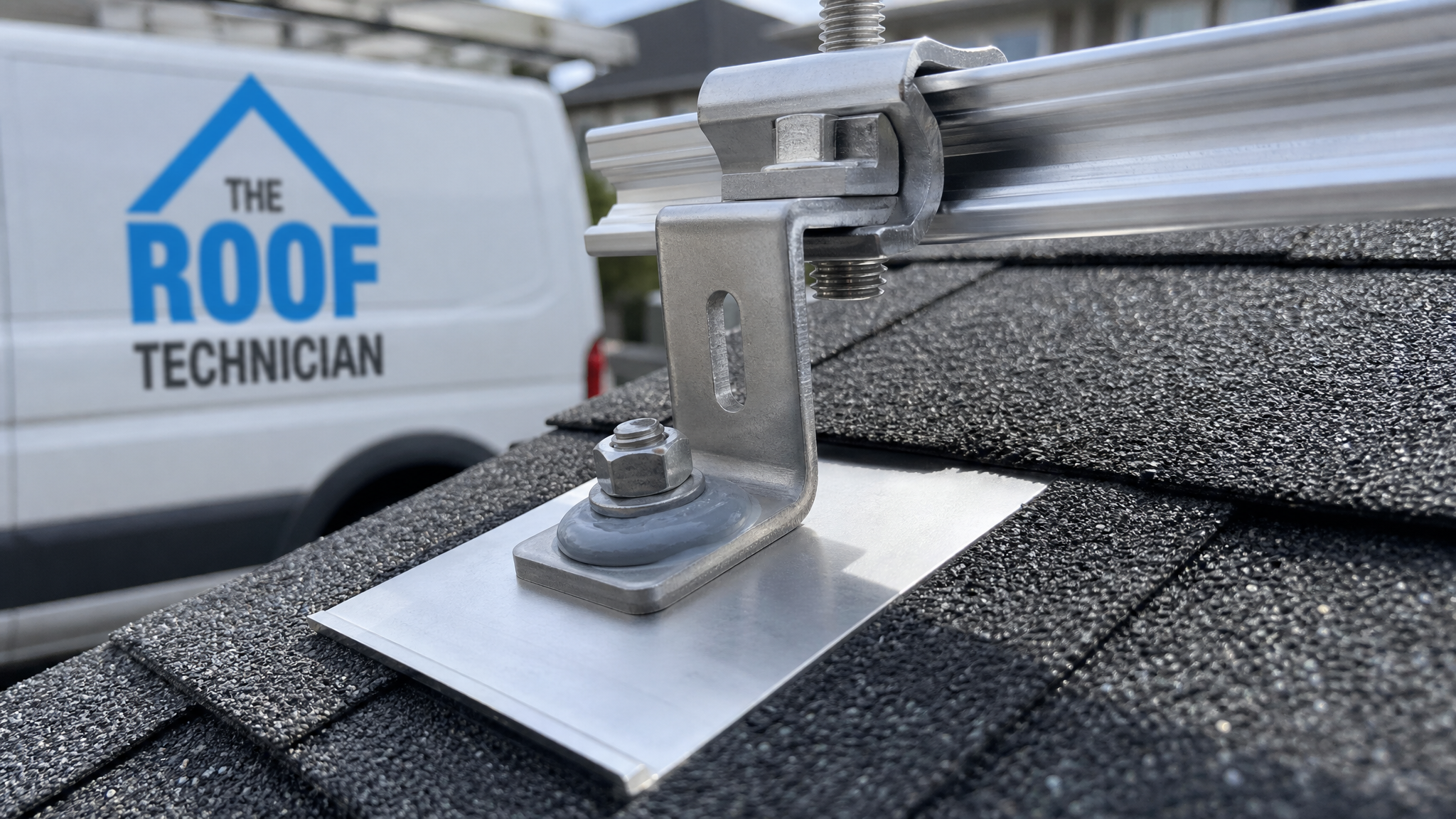
Whatever material you choose, insist that mounting brackets are lag-bolted into rafters, not just the sheathing, and that every penetration is flashed and sealed to the same standard as a vent boot. Cutting corners on the dozen-or-more roof penetrations a solar array creates is the most common source of leaks we are called to fix on solar homes across the region.
Project Timeline: How a Coordinated Roof-and-Solar Job Runs
When the roof and solar are sequenced properly, a typical GTA project runs in clear phases. The table below shows a realistic timeline for a detached home, assuming permits and good weather. Winter and supply delays can extend these windows.
| Phase | Duration | What Happens |
|---|---|---|
| Inspection & quotes | 1-2 weeks | Roof assessed, structural review, array layout designed |
| Permits | 2-4 weeks | Roofing permit, utility net-metering application |
| Roof replacement | 1-3 days | Tear-off, deck repair, new shingles, flashing |
| Solar install & inspection | 1-2 weeks later | Racking, panels, electrical, ESA inspection, commissioning |
Notice the gap between the roof and the solar install. We deliberately let the new roof settle and pass any final roofing inspection before the solar crew arrives, so the warrantied surface is fully intact when panels are mounted. Homeowners across Toronto and the suburbs appreciate this clean handoff because it keeps responsibility clear: the roof is guaranteed, then the array goes on a guaranteed roof.
Because timing matters, book your roof assessment in late winter or early spring. That puts the tear-off in the dry season and leaves the solar install for summer, the ideal window for both trades in the GTA. You can see where we work across the region on our service areas page, and read what local homeowners say in our reviews.
Should I replace my roof before installing solar panels in the GTA?
How much does a roof replacement cost before solar in Toronto?
Will solar panels damage or shorten the life of my roof?
Does adding solar affect my roof warranty?
How long does a combined roof and solar project take in the GTA?
Who do I call to coordinate the roof part of a solar project?
Plan Your Solar Panels Roof Replacement GTA Project Today
Getting the order right is the difference between a 25-year system and a costly do-over. Before you sign any solar contract, have your roof professionally assessed so you know whether it can carry panels for the next quarter century. The Roof Technician helps GTA homeowners sequence roofing and solar correctly, with proper flashing, ventilation, and a warrantied surface ready for an array.
Call us today at (416) 826-0040 or schedule a free roof inspection to find out whether you should replace your roof before your solar panels. You can also browse common questions on our FAQ page.
The Roof Technician proudly serves Toronto, Mississauga, Vaughan, Markham and the GTA with expert roof replacement, repair, and solar-ready roofing.