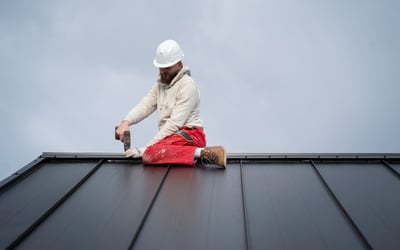

Did you know that homes near coastal areas can experience wind gusts exceeding 100 miles per hour during storm season? For residents of The Beaches, this isn’t just a statistic; it’s a reality that can have dire consequences for your home if you’re not prepared. Picture this: a bright sunny day suddenly turns into a fierce storm, with winds whipping through the trees and rain lashing against your roof. It’s in these moments that the integrity of your roof is put to the ultimate test.
For local homeowners, especially those living just a stone’s throw from the shoreline, the unique coastal weather can wreak havoc on roofing systems. With the constant exposure to salty air, intense storms, and the occasional hurricane, ensuring your roof is in top shape isn’t just a good idea—it’s essential. You might think that your roof is sturdy enough to withstand anything, but neglecting regular maintenance and preparation can lead to costly repairs or even complete roof replacement.
In this guide, we’ll explore essential tips for preparing your roof for The Beaches’ coastal weather. From understanding the impact of salt and moisture on roofing materials to learning how to spot early signs of wear, we’ve got you covered. By the end, you’ll be equipped with the knowledge to protect one of your most significant investments—your home. So, let’s dive in and make sure your roof is ready to weather whatever comes its way!
What Are the Key Challenges Homeowners Face with Coastal Roofing in The Beaches?
Living in The Beaches comes with its own set of unique challenges, especially when it comes to maintaining your roof. The coastal weather can be unforgiving, and homeowners often find themselves grappling with a myriad of issues. One of the most pressing concerns is the relentless exposure to salt air, which can accelerate corrosion and compromise roofing materials. This not only leads to aesthetic deterioration but can also create costly repairs if not addressed promptly.
Seasonal storms are another significant factor. High winds and heavy rainfall can cause shingles to loosen or even tear off, leaving your home vulnerable to leaks and water damage. Neglecting these issues can lead to further complications, such as mold growth and structural damage, adding to your repair costs down the line.
Safety is also a paramount concern. Climbing onto a roof can be hazardous, especially for those without the right equipment or experience. Many homeowners in the area underestimate the importance of regular inspections and maintenance, which could prevent minor issues from escalating into major problems.
Engaging a reliable Roofing Contractor in The Beaches ensures that your roof is well-prepared to withstand these challenges. By investing in regular maintenance and inspections specific to our coastal climate, you not only protect your home but also enhance its longevity and value for years to come.
Preparing Your Roof for Coastal Weather: Solutions and Benefits
When it comes to safeguarding your roof against the unique challenges posed by coastal weather, a well-thought-out approach is essential. The dynamic conditions of seaside environments, including salt air, high winds, and intense UV rays, necessitate both immediate and long-term strategies that can protect your investment and enhance the longevity of your roof.
Immediate Solutions for Coastal Resilience
To start, addressing any existing vulnerabilities should be your top priority. A thorough inspection by a roofing professional can identify issues such as loose shingles, rusting metal, or compromised seals. Repairing or replacing these elements promptly can prevent further damage and more costly repairs down the road. For instance, using high-quality marine-grade sealants around chimneys, vents, and seams can effectively block moisture infiltration and resist the corrosive effects of salt.
In addition, consider installing a roof coating specifically designed for coastal applications. These coatings not only provide an extra layer of protection against UV rays but also enhance the waterproofing capabilities of your roof. Reflective coatings can reduce heat absorption, keeping your home cooler and potentially lowering energy costs.
Long-Term Strategies for Durability
For a more comprehensive approach, investing in materials designed for coastal environments can yield significant benefits over time. Metal roofing, for instance, is an excellent choice due to its durability and resistance to corrosion. Look for options with a high-quality finish that includes protective coatings specifically formulated to withstand saltwater exposure.
Furthermore, enhancing your roof’s structural integrity is crucial. Reinforcing trusses and rafters can add strength to withstand high winds, a common concern in coastal areas. Incorporating wind-resistant features such as hurricane straps can also provide peace of mind during storm season.
Preventive Measures for Lasting Protection
Regular maintenance plays a pivotal role in extending the life of your roof. Schedule semi-annual inspections to catch any potential issues early. Cleaning gutters and downspouts is critical to ensure proper drainage, as clogged systems can lead to water pooling and subsequent roof damage. Additionally, consider implementing a tree management strategy; trimming back branches that overhang your roof can minimize the risk of damage from falling limbs during storms.
Finally, educating yourself about the specific weather patterns and challenges of your coastal location can empower you to make informed decisions about your roofing needs. Partnering with local experts who understand the regional climate can provide further insights into best practices tailored to your unique situation.
By adopting these strategies, you not only protect your roof but also enhance the overall resilience of your home against the elements. In doing so, you invest in the safety and comfort of your living space, ensuring it remains a sanctuary even in the face of coastal weather challenges.
Essential Tips for Preparing Your Roof for The Beaches’ Coastal Weather
When it comes to maintaining your roof in The Beaches, understanding the unique local factors at play is essential. This coastal community presents distinct weather patterns and environmental conditions that can significantly affect the integrity of your roof. Here, we delve into how local geography and climate impact roofing needs, making it crucial for homeowners to prepare adequately.
One of the most notable aspects of The Beaches is its coastal climate, characterized by high humidity and salt-laden air. These conditions can accelerate the deterioration of roofing materials, particularly asphalt shingles, which are commonly used in the area. The salty air can cause corrosion on metal roofing and degrade the protective granules on shingles, making regular inspections and timely maintenance critical. Homeowners should consider using materials specifically designed to withstand coastal exposure, such as metal roofs with corrosion-resistant coatings or impact-resistant shingles.
Additionally, The Beaches experiences significant rainfall, especially during the summer months, leading to potential water intrusion issues. The local geography, with its proximity to the ocean, means that heavy storms can occur rapidly, necessitating roofs that can effectively channel water away. This is where proper drainage systems come into play. Homeowners should ensure that gutters are clear and functioning well, as clogged gutters can lead to water pooling and subsequent roof damage. Regular maintenance of these systems is essential to prevent leaks and prolong the life of your roof.
In comparison to neighboring areas, such as the inland suburbs, The Beaches faces more severe weather events due to its coastal position. While inland regions may experience milder weather, The Beaches is more susceptible to hurricanes and tropical storms that can bring strong winds and heavy rain. This necessitates adhering to local building codes and regulations that are designed to enhance roof resilience against such extreme weather conditions. Understanding these regulations is vital for homeowners considering Roof Repairs or replacements, ensuring that any work done meets local standards and provides adequate protection.
Moreover, local regulations often mandate specific materials and construction practices to enhance safety and durability. For instance, roofs may need to be reinforced to withstand wind uplift during storms. Homeowners should consult with local contractors who are familiar with these regulations to ensure compliance and optimal roof performance.
Lastly, when considering any roof repair or replacement, it’s wise to engage with professionals who have experience in Roof Repair in The Beaches. These experts can offer insights that are specific to the area, helping homeowners make informed decisions tailored to the unique challenges posed by the coastal environment.
In conclusion, understanding the local factors affecting roofing in The Beaches is crucial for safeguarding your home. With its distinctive coastal climate, increased rainfall, and specific regulations, homeowners must be proactive in their roof maintenance and repairs. By using resilient materials and adhering to local building codes, you can ensure that your roof withstands the test of time, providing protection against the elements for years to come.
Essential Tips for Preparing Your Roof for The Beaches’ Coastal Weather
Protecting your roof from the unique challenges posed by coastal weather is essential for maintaining your home. Here’s a practical guide to help you prepare:
- Seasonal Maintenance Calendar:
- Spring: Inspect and clean gutters to prevent water pooling.
- Summer: Check for loose shingles after storms; replace damaged ones immediately.
- Fall: Trim overhanging branches to reduce debris accumulation.
- Winter: Ensure insulation is adequate to prevent ice dam formation.
- Do This, Not That:
- Do: Use high-quality materials designed for coastal environments.
- Not: Avoid installing standard shingles that can’t withstand salt corrosion.
- Early Warning Signs:
- Check for cracked or missing shingles after storms.
- Look for water stains on ceilings indicating leaks.
- Common DIY Mistakes:
- Neglecting to use safety gear when accessing the roof.
- Improperly sealing areas around vents and chimneys.
- Questions to Ask Professionals:
- What warranties do you offer on materials and labor?
- How do you handle coastal weather-related issues?
- Homeowner’s Checklist:
- Confirm your roof’s age and expected lifespan.
- Schedule regular inspections with a qualified roofer.
By following these guidelines, you can ensure your roof remains resilient against the challenges of coastal weather, protecting your home and investment.

Preparing your roof for the unique challenges posed by coastal weather is not just about safeguarding your home; it’s about preserving the comfort and security of your family. With the right preparations, you can significantly extend the life of your roof and enhance your home’s resilience against harsh elements.
Consider the long-term benefits of proactive maintenance. Regular inspections and timely repairs can prevent minor issues from escalating into costly problems, allowing you to enjoy peace of mind knowing your home is well-protected. Additionally, investing in quality materials and expert installation can pay dividends, ensuring that your roof withstands the test of time and weather.
As you take these steps, remember that you’re not alone in this process. The local community is filled with professionals who understand the specific demands of our coastal climate and can offer valuable insights tailored to your needs. Whether you’re considering a new roofing system or simply looking to fortify your current one, the expertise available can guide you toward the most effective solutions.
Embrace the opportunity to create a safe haven for your loved ones. Taking action now will not only fortify your home but also instill a sense of confidence that can weather any storm. Your roof is more than just a structure; it’s a vital component of your home’s identity and durability, deserving of your attention and care.